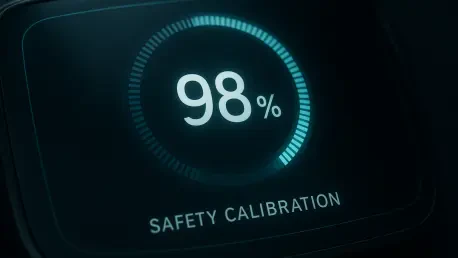
As the enterprise landscape in 2026 transitions from experimental laboratory prototypes to high-concurrency autonomous agents, the definition of system reliability has undergone a fundamental shift. Operating an automated system in production requires a confidence dial that systematically separates

To prevent budget overruns, organizations are implementing usage caps and spending ceilings at the user, group, and subscription levels. This shift underscores a broader industry move toward the "governed software factory," a concept where every phase of the development lifecycle is unified under a

Using a cross-project five-fold GroupKFold protocol prevents data leakage, ensuring that predictive models remain accurate when applied to entirely new software projects. This sophisticated methodological approach sits at the heart of QualiGuard, a system designed to address the growing friction

Administrators must prioritize upgrading to the latest fixed versions to prevent adversaries from bypassing the sandbox and accessing the surrounding server infrastructure. This critical warning addresses CVE-2026-90970, a vulnerability discovered in the GitLab Self-Hosted AI Gateway that threatens

Failure to reconcile the new DevOps Standard with existing IEEE and ISO frameworks could lead to fragmented governance models within regulated industries. As the DevOps movement enters its seventeenth year, the landscape of software engineering has shifted from a philosophy of shared culture to a

When a senior software engineer looks at a block of AI-generated code today, they are no longer asking if the logic sounds plausible but rather if the surrounding system has already verified its execution within a secure sandbox. This shift in perspective represents the definitive end of the
1 2 3 4 5 6 7 8 9 10 11 12 13 14 15 16 17 18 19 20 21 22 23 24 25 26 27 28 29 30 31 32 33 34 35 36 37 38 39 40 41 42 43 44 45 46 47 48 49 50 51 52 53 54 55 56 57 58 59 60 61 62 63 64 65 66