
While global investment in quantum hardware has catalyzed the production of chips exceeding one thousand qubits, the actual utility of these machines remains precariously dependent on the stability of the code that drives them. For years, the industry focused on the physical layer, assuming that

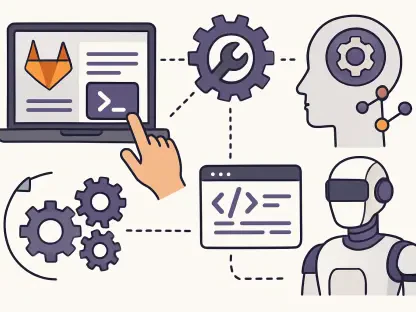
Engineering departments that once celebrated the release of a single feature per month now find themselves managing thousands of lines of machine-generated code delivered in a mere fraction of that time. This unprecedented acceleration, fueled by the widespread adoption of large language models and

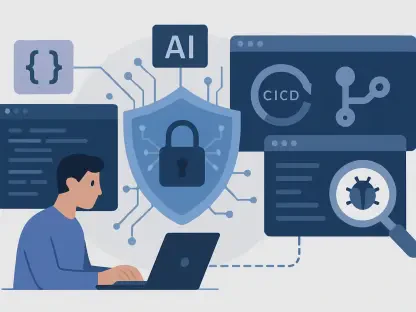
Modern software development pipelines are currently experiencing a radical shift as traditional security scanning tools struggle to keep pace with the sheer volume of code produced by automated generation systems and high-velocity engineering teams. The integration of artificial intelligence within

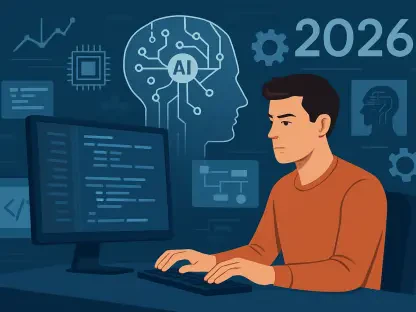
The subtle hum of a mechanical keyboard no longer signals the slow construction of repetitive syntax but rather the high-speed orchestration of complex software systems through intelligent prompting. In the current landscape of modern web engineering, the "blank page" problem—that paralyzing moment

The rapid acceleration of large language models has fundamentally altered the traditional software development lifecycle by turning once-dormant documentation into the primary engine for code generation. Historically, software requirements served as static guides meant to align business
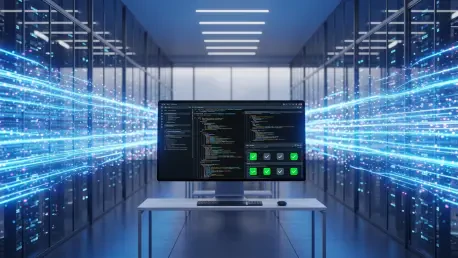
Software development cycles have accelerated to a point where human manual verification alone cannot possibly keep pace with the sheer volume of code deployments happening every single minute across global digital infrastructures. This bottleneck has traditionally forced engineering teams to choose