Simple honeypots often provide a higher signal-to-noise ratio than complex AI-driven security systems that bury IT professionals under thousands of misleading false positives. This paradox highlights the double-edged nature of artificial intelligence in the modern digital landscape. While marketing

While many anticipated a consumer-grade wearable, OpenAI delivered a high-end niche productivity tool focused entirely on the needs of the professional developer community. This move into the hardware market materialized through a collaboration with the boutique peripheral manufacturer Work Louder,

The role of the quality assurance engineer is shifting from executing scripts to strategizing how to stress-test the specific points where AI logic is most likely to fail. As organizations integrate large language models into every stage of the software development lifecycle, the traditional
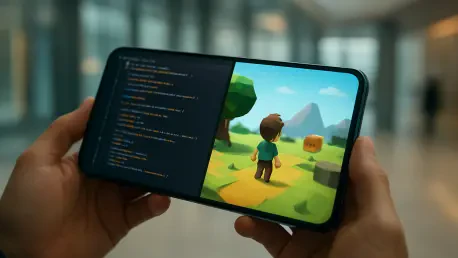
The transition from writing syntax to managing intent represents a fundamental change in how software is created, effectively lowering the technical barrier for non-programmers using mobile hardware. This evolution finds its most striking expression in Gotcha, an agentic system that reimagines the

The fundamental insight driving the development of SkySim is that an autonomous navigation algorithm cannot distinguish between physical motors and their accurately modeled digital counterparts. This concept serves as the bedrock for a new era of robotics where the "field-test dread"—the paralyzing

Microsoft Distinguished Engineer David Fowler argues that the mechanical act of manual syntax entry is rapidly transitioning into a high-level architectural oversight model. This fundamental shift marks the end of an era where software development was defined by the granular control of every