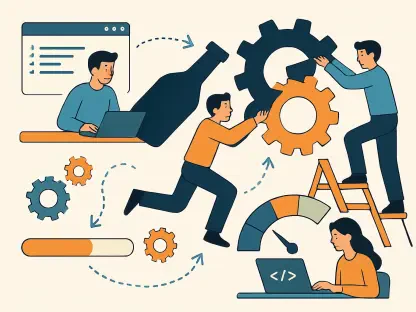

The traditional boundaries between software development and project management have dissolved as the industry enters a period defined by the seamless integration of autonomous AI agents and human engineers working in tandem within the Scrum framework. While the foundational principles of

The sudden explosion of AI-driven development tools has fundamentally altered the cadence of software engineering, creating a scenario where code is written at machine speed but remains constrained by human-scale verification processes. As generative models produce thousands of lines of logic in

The recent publication of the European Commission’s exhaustive guidance on high-risk Artificial Intelligence has definitively moved the global banking sector away from abstract legal debates toward concrete engineering practices. For financial institutions currently operating within the Eurozone,

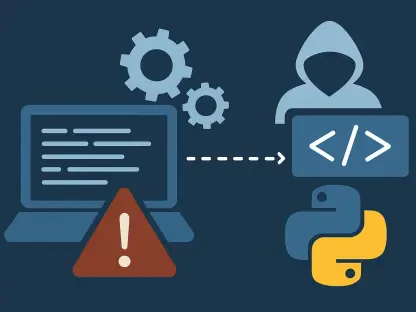
The recent discovery of a critical vulnerability within the Claude Code GitHub Action has fundamentally shifted the security discourse surrounding the integration of autonomous AI agents into modern software development pipelines. This high-severity security gap, meticulously identified by

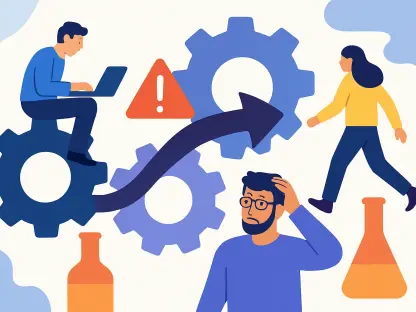
The traditional perception of data migration as a grueling, high-risk technical obligation is rapidly evolving into a perspective where the move itself serves as the primary catalyst for immediate business transformation. Historically, organizations viewed the transition from legacy architectures

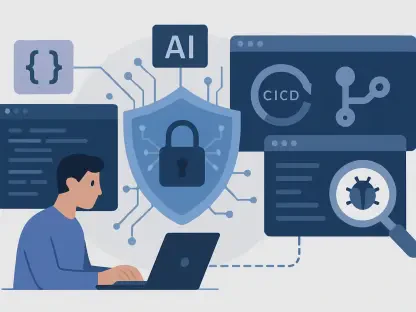
The sudden shift toward autonomous software development has forced engineering teams to confront a significant security paradox: how to grant AI agents enough power to be useful without creating massive vulnerabilities. Until recently, many automation frameworks relied on Personal Access Tokens,