
A sharp and extreme increase in ping that is inconsistent with typical network behavior often serves as the primary warning sign of an ongoing digital assault. For a competitive player engaged in a high-stakes ranked match, this sudden disruption often manifests as unplayable latency that leads to a swift disconnection, stripping away progress and rank standing. While it is tempting to blame the game server or a localized hardware failure, the reality of modern connectivity in 2026 means that targeted malicious traffic is a persistent threat. These attacks, known as Distributed Denial of Service or DDoS, have shifted from being high-level corporate threats to tools used by disgruntled opponents in the digital arena. The objective is rarely data theft but rather the intentional sabotage of a user’s internet stability. Fortunately, the evolution of network security has made it possible to deploy robust defenses without requiring the budget of a major enterprise. Understanding how to mitigate these risks ensures that technical interference does not dictate the outcome of a match.
1. Understanding the Nature of Distributed Denial of Service
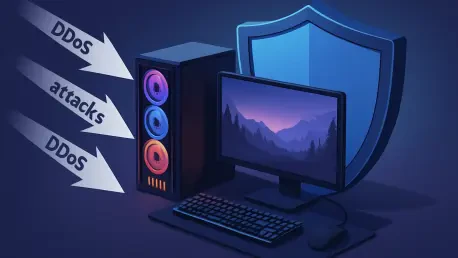
A Distributed Denial of Service attack functions by overwhelming a target’s network infrastructure with a massive volume of traffic sourced from a botnet of compromised devices. Because the traffic originates from thousands of different points across the globe, blocking the assault at the local router level becomes nearly impossible without specialized tools. In the context of the gaming industry, these incidents are particularly common due to the architectural design of many multiplayer environments. While modern titles often utilize centralized servers to manage game state, many legacy games and even some contemporary competitive platforms still rely on peer-to-peer connectivity to facilitate voice chat or lobby management. This direct connection between users can inadvertently expose a player’s unique IP address to everyone else in the session. Once a malicious actor possesses this numerical identifier, they can initiate a flood of data packets that effectively chokes the victim’s bandwidth until the connection fails.
The motivation behind these digital strikes is usually rooted in competitive malice or griefing rather than financial gain. By forcing an opponent to disconnect, an attacker can secure an easy win or simply cause frustration for a perceived rival. This type of activity has become more prevalent as the tools required to launch such attacks have become increasingly accessible on the dark web or through illicit booter services. Even players with minimal technical knowledge can now rent time on a botnet to target a specific IP address for a small fee. This democratization of cyber threats has forced the average gamer to consider network security as a core component of their setup. Beyond the immediate loss of a match, persistent attacks can lead to longer-term issues, such as being flagged by internet service providers for unusual traffic patterns or experiencing hardware fatigue from constant network restarts. Recognizing that a gaming rig is a gateway to a broader network is the first step in building a resilient defense.
2. Identifying Signs and Utilizing Diagnostic Tools
Distinguishing between a routine internet outage and a targeted DDoS attack is essential for taking appropriate corrective actions. General network instability is typically characterized by fluctuating speeds or intermittent packet loss that resolves itself within a few minutes or persists across all applications regardless of the platform. In contrast, a targeted assault is often characterized by a complete and sustained collapse of the connection immediately after a specific interaction in a competitive environment. For instance, if the lag begins precisely after an exchange in a game chat or during a pivotal moment in a match, the timing serves as a strong indicator of intent. Furthermore, a total loss of internet access across all connected devices in a household—phones, televisions, and tablets—suggests that the router itself is being overwhelmed rather than just a single game server experiencing high load. Monitoring these patterns allows a user to respond with specific security measures rather than simply rebooting hardware.
Verification of an ongoing attack can be achieved through a combination of diagnostic tools and comparative testing. When the network begins to fail, performing a speed test on a mobile device using a cellular data connection while simultaneously attempting one on the home network can reveal discrepancies. If the home network shows zero upload or download capability while other nearby networks function perfectly, the focus of the disruption is likely narrowed down to the home IP address. Additionally, many modern router interfaces provide traffic logs that can be inspected for an unusual surge in UDP or ICMP packets, which are common vectors for these types of attacks. If the logs show thousands of requests from diverse external sources within a few seconds, the presence of a DDoS event is confirmed. This evidence is particularly useful when contacting an internet service provider to report the incident, as it provides them with the technical data needed to implement filtering or to issue a new IP address to the affected customer.
3. Improving Local Security and Evaluating Premium Options
Strengthening the defense of a gaming rig involves a combination of hardware configuration and behavioral changes that cost little to nothing to implement. The first line of defense is the home router, which serves as the gateway for all incoming and outgoing data. Ensuring that the router firmware is consistently updated to the latest version is a fundamental step, as manufacturers frequently release patches to address known vulnerabilities that could be exploited to facilitate a network shutdown. Beyond updates, changing the default administrator credentials is a non-negotiable security practice; factory settings are easily searchable online and can allow an attacker to gain control over the network settings. Furthermore, disabling features like Universal Plug and Play and remote management can significantly reduce the attack surface. While automated port forwarding is convenient, it often leaves the network vulnerable to unauthorized requests that can be used to map out internal devices for more precise targeting.
The decision to invest in high-tier network protection is often influenced by the specific needs of the user and the potential consequences of a connection failure. For casual players who primarily engage in single-player titles or games with dedicated server architectures, the basic protections provided by a standard router firewall and occasional VPN usage are usually sufficient. However, the situation changes significantly for professional competitors and content creators whose livelihoods depend on maintaining a constant and stable online presence. For these individuals, a single outage during a tournament results in lost revenue and damage to their professional reputation. In such cases, the cost of premium anti-DDoS services is viewed as a necessary business expense. Ultimately, the most effective strategy involves a balanced approach that combines free configuration changes with targeted investments in proven security tools. By establishing a baseline of security through regular firmware updates and IP masking, users effectively shield their hardware from external disruption.