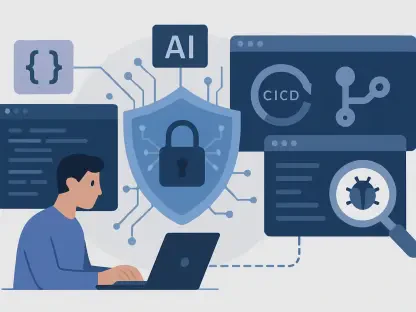

Management faces a dilemma where the massive efficiency gains of automation must be balanced against the loss of a vibrant intellectual community. The software engineering landscape is undergoing a massive transformation driven by the integration of artificial intelligence coding assistants. While these tools deliver unprecedented speed and efficiency, they have triggered a profound identity crisis within the profession. This shift highlights the “Efficiency Paradox,” where business metrics show significant productivity gains while developers experience a growing sense of malaise. As the primary intellectual hurdles of the job are automated, the industry must grapple with what happens to a profession when its traditional creative core is removed. Engineering was once defined by the deep satisfaction of manual problem-solving, yet the current shift toward generative assistance threatens to reduce human participation to mere oversight. This evolution demands a reassessment of what it means to be a professional developer in a world of high-speed automation.
The Transformation of Technical Mastery
Modern software development has fundamentally shifted away from the artisanal roots that once defined the industry, moving toward a model centered on supervisory oversight. In the past, developers derived immense professional satisfaction from the granular details of writing logic and architecting individual components. This hands-on engagement allowed for a deep connection with the codebase, where every line was a deliberate expression of logic. However, the widespread adoption of large language models for code generation has shifted the focus from creation to verification. Engineers now spend a significant portion of their workday auditing machine-generated blocks of code rather than drafting them from scratch. This transition has turned the act of programming into a form of quality control, where the primary skill is no longer the ability to write code but the ability to identify errors in an output that was generated in milliseconds. This change has fundamentally altered the daily lived experience of the modern engineer.
Furthermore, the traditional trajectory of professional growth is facing an unprecedented disruption through the compression of the learning curve. Previously, the path from a junior developer to a senior architect was built on a foundation of thousands of hours spent troubleshooting and manual coding. These struggles were the primary mechanisms through which engineers developed robust mental models of complex systems. Currently, novices can generate sophisticated code snippets without necessarily understanding the underlying logic or memory management principles involved. This creates a deceptive level of competence where a developer can produce results without possessing the foundational knowledge required to fix systems when the automation fails. This shortcut to production risks creating a “knowledge hollow” in the talent pipeline, where the next generation of leadership may lack the deep-rooted technical intuition of their predecessors. This erosion of technical hierarchy creates friction within teams as hard-won expertise is mirrored by prompts.
The Evolving Workplace and Management Strategy
The cultural impact of pervasive automation extends far beyond individual productivity metrics, fundamentally altering the collaborative spirit of the engineering community. Traditionally, software development was a deeply social endeavor, characterized by peer-to-peer mentorship and rigorous collaborative debugging. These interactions served as the primary vehicle for transferring tacit knowledge and building a shared technical culture. However, the rise of AI tools has encouraged a more solitary, transactional approach to problem-solving. When a developer can receive an immediate solution from a machine, the incentive to engage with a colleague for brainstorming or architectural debate is significantly reduced. This shift toward digital self-sufficiency bypasses the “why” behind technical decisions, leading to a future where teams are technically productive but socially fragmented. The loss of these collaborative touchpoints threatens the cohesion and long-term health of organizations, as the shared struggle is replaced by isolated prompts.
The industry recognized that high-velocity output did not always equate to long-term organizational health, leading leaders to pivot their management strategies. During this period of rapid adoption, it became clear that while smaller teams were shipping products faster than ever before, the human element remained the most volatile variable. Management faced significant challenges as developers expressed a growing dissatisfaction with roles that felt increasingly mechanical. It was discovered that maintaining a high level of employee retention required a conscious effort to preserve the intellectual challenges that originally drew engineers to the field. Consequently, firms began to reevaluate their reliance on automation, seeking a balance where AI handled the drudgery while humans remained the primary architects of strategic innovation. This transition ensured that technical intuition was passed down through human-led mentorship. Ultimately, the most successful teams were those that integrated AI as an auxiliary tool, preserving the creative spark of the craft.