

Modern enterprise architectures increasingly rely on distributed environments where workloads are scattered across different cloud providers to leverage specific geographic advantages or specialized managed services. Navigating the complexities of cross-cloud communication often presents a

The persistent struggle of managing z-index wars and accessibility focus traps has finally met its match in a solution that lives directly within the browser engine rather than a bloated node_modules folder. For years, the simple act of showing a tooltip or a dropdown menu required a
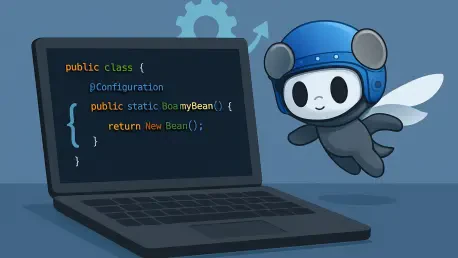
The difference between an artificial intelligence that merely suggests code and one that autonomously repairs a broken build often comes down to the invisible infrastructure supporting the language runtime. As Java continues its rapid six-month release cadence, reaching the milestone of JDK 25, the

Java developers have long endured a paradox where the language powering the world’s most critical enterprise systems felt strangely left behind during the initial explosion of generative artificial intelligence. While Python and TypeScript ecosystems flourished with streamlined libraries and rapid

Industrial landscapes are currently littered with high-tech hardware that remains fundamentally tethered to distant server farms, creating a paradox where local autonomy is more of a marketing slogan than a technical reality. While the narrative surrounding edge computing suggests a revolutionary
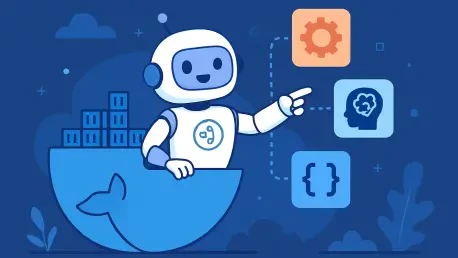
The traditional struggle of maintaining complex Python environments and tangled dependency chains is finally giving way to a more streamlined approach where AI agents operate as standard, portable containers. For years, the integration of autonomous agents into production systems felt like a