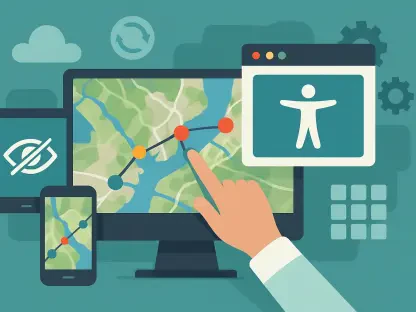

The NGA’s procurement evolution includes a plan to leverage generative AI tools by May 2025 to support administrative decision-making and streamline internal labor. This initiative represents a fundamental shift in how the agency manages its digital assets, moving away from fragmented processes toward a centralized, high-efficiency ecosystem. At the heart of this transformation is the Software Requirements Workflow system, an enterprise-level platform designed to coordinate the full lifecycle of software assets. By streamlining the acquisition, renewal, and maintenance of specialized tools, the agency ensures that its geospatial experts have uninterrupted access to critical technology. The current reliance on commercial off-the-shelf software from providers like Flexera is being re-evaluated to accommodate more flexible, custom-integrated solutions. This shift is not merely about updating software; it is about redefining the logistical backbone of an agency that operates at the intersection of national security and advanced data science.
Bridging Disparate Systems for Seamless Operations
Unified Workflow Integration
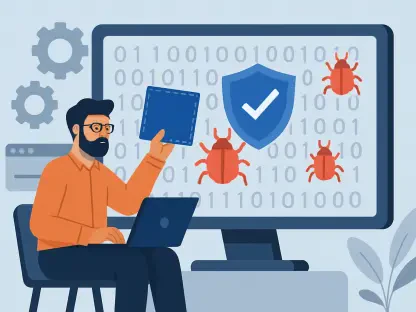
Connecting software requests with security approvals and final delivery is a primary objective for the revamped SRW platform. Historically, these phases often functioned in silos, leading to delays and administrative bottlenecks that could hinder mission-critical timelines. By integrating the Software Protection of Controlled Computers protocols directly into the procurement path, the agency can ensure that every new tool meets rigorous cybersecurity standards from the outset. This security-by-design approach is complemented by synchronization with the Service+ platform, which handles the actual installation and distribution of software across the enterprise. Furthermore, the system is being built to automatically manage critical documentation, such as Section 508 accessibility compliance and Justification and Approval records. This holistic view of the software lifecycle reduces the burden on manual record-keeping while providing leadership with a clear, auditable trail of all digital asset investments.
Modernization Through DevSecOps and Containers
Technical modernization at the agency is increasingly focused on eliminating legacy dependencies that restrict rapid deployment and scalability. The roadmap for the Software Requirements Workflow system includes a strategic migration into the CORE DevSecOps environment, a move that aligns procurement tools with the agency’s broader software development standards. By utilizing containerization technologies, the agency can decouple its applications from specific infrastructure constraints, allowing for more resilient and portable software management operations. This transition effectively moves the agency toward a cloud-native architecture that supports continuous integration and delivery. Such advancements are necessary to keep pace with the evolving demands of geospatial intelligence, where software updates must be deployed quickly without compromising system stability. Moving away from rigid, legacy-bound frameworks allows for a more responsive IT posture, enabling the agency to adapt to emerging threats with significantly higher agility than in previous years.
Artificial Intelligence and Human-Machine Collaboration
AI-Driven Administrative Efficiency
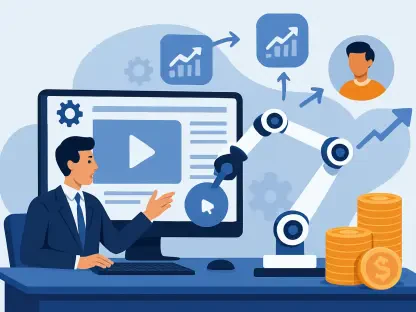
The integration of artificial intelligence into administrative tasks is set to redefine how agency personnel interact with the software procurement process. Intelligent virtual assistants are being developed to guide users through the complexities of making a software request, providing real-time feedback on status and requirements. These AI capabilities extend beyond simple interaction, as automated systems are now tasked with data entry and the preliminary review of lengthy documentation. By applying machine learning to the intelligent routing of requests, the agency can ensure that every ticket reaches the correct office for approval without manual sorting. This automation is particularly valuable for high-volume periods, such as year-end renewals, where manual processing could lead to significant backlogs. Crucially, all AI-enabled functions are designed to operate within secure and auditable environments, ensuring that administrative decisions remain transparent. This careful balance of automation and human oversight preserves the integrity of the procurement process.
Sustainable Innovation: Next Steps for Enterprise Resilience
The transition toward a modernized software procurement framework proved to be a necessary step in maintaining the agency’s operational edge in an increasingly digital landscape. Stakeholders focused on the integration of these systems to ensure that future software deployments remained rapid, secure, and fully compliant with federal accessibility standards. To build upon this foundation, the agency established a clear pathway for industry partners to contribute to the ongoing evolution of the CORE DevSecOps environment. This initiative empowered technical teams to prioritize the migration of legacy tools into containerized formats, which significantly reduced the time required for system maintenance. Moving forward, the focus shifted toward expanding these automated capabilities to include advanced predictive analytics for software spending and resource allocation. By establishing these secure, AI-enhanced workflows, the agency successfully positioned itself to handle more complex geospatial datasets with greater precision. This evolution in administrative infrastructure laid the groundwork for a more resilient future.