

Milliseconds are the tax of trust in digital systems, yet one design slashed that tax to roughly 0.2 ms while nearly doubling throughput and shrinking audit lookups to less than 2 ms without sacrificing a single layer of security. Across mission-critical integrations—from payments to patient

Daily workflows have outgrown passive file cabinets, and the cost of context switching now rivals the cost of creating content, so the platform holding work must not only store information but also understand it and propel it forward with minimal friction across devices and teams. Microsoft has

Federal defenders woke up to an uncomfortable reality as device-layer cracks widened faster than the guidance could settle, with three more Cisco networking bugs joining the Known Exploited Vulnerabilities catalog and converting a cautious “watch this space” into a calendar-driven mandate to patch
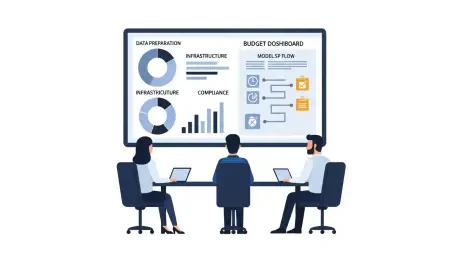
Budget officers counted line items, mission owners pressed for speed, and security leaders flagged opaque risks that could not pass an audit, and together they confronted a straightforward reality: the biggest model on the market was rarely the right fit for a high‑stakes federal workload. As

Boardrooms stopped asking whether agile or AI matter and started demanding proof that the right partner can ship compliant, beautiful software at real speed without blowing budgets or trust. The market now splits into boutiques focused on design-led velocity, mid-market specialists balancing

Software teams did not ask for another assistant that writes cheerful status notes; they asked for dependable automation that notices when the ground moves under it, corrects course without hand-holding, and proves that its work actually advanced the goal rather than rehearsing the same mistakes