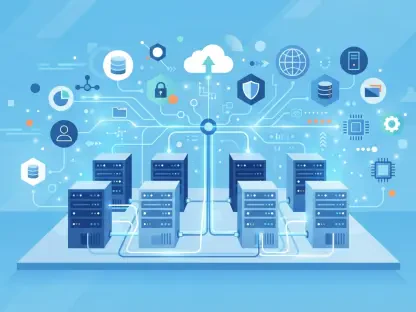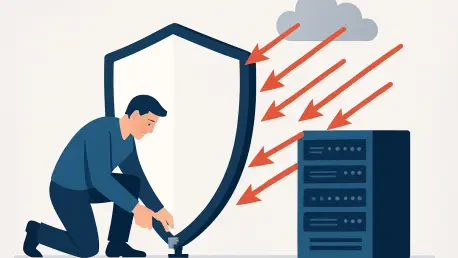

A sudden surge in citizen demand, a critical update to a classified system, and an opportunistic phishing wave can collide within the same hour, creating a perfect storm that only a resilient, hybrid IT posture can withstand without degrading public services or jeopardizing national security.

Every delayed pull request that idles in CI behind a 16‑minute container rebuild is an invoice arriving silently in the DevOps budget, and it is often stamped by a Dockerfile that “worked once” but now dictates bloated layers, broken caches, and unreproducible builds. What reads like a simple

Data pipelines stressed by swollen models, tight energy budgets, and unrelenting latency targets have pushed ML teams to hunt for efficiency gains that do not sacrifice accuracy or rewrite entire stacks overnight, and that pressure set the stage for Perforated AI’s announcement that its “Dendritic
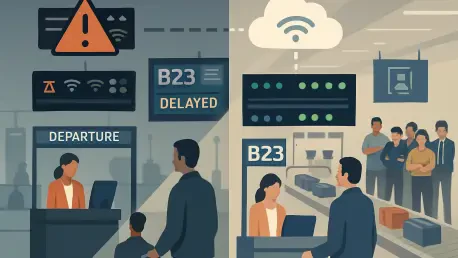
A single network outage can ripple from a departure gate to the baggage hall and onward to a crowded immigration queue, turning a routine day into a sequence of missed connections, delayed turnarounds, and costly service recoveries that test the patience of travelers and strain airline and airport

Deep within the silent server rooms of the world’s largest financial institutions and healthcare providers lies a rigid architectural bedrock that modern developers often dismiss as a ghost of decades past. While the broader tech world treats the Extensible Markup Language (XML) as a relic

The rapid transition from manual code construction to high-level system orchestration has fundamentally altered the daily reality of software engineering, moving the industry toward a standard of "tenfold" delivery velocity. Rather than spending hours debating syntax or hunting for missing