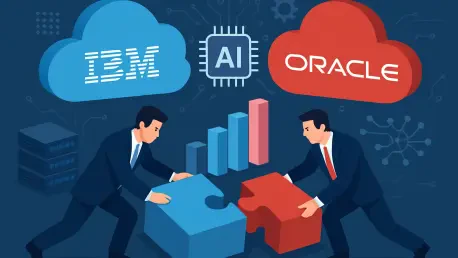
The global enterprise landscape has reached a definitive turning point where the initial excitement surrounding generative artificial intelligence is being tempered by the hard reality of fragmented data silos and outdated legacy systems that cannot support high-velocity scaling. For four decades,

The traditional paradigm of treating containers as lightweight virtual machines has finally crumbled under the weight of bloated enterprise images and inefficient cloud resource allocation. This shift marks a pivotal moment for the software development and cloud computing industry, as Java, a
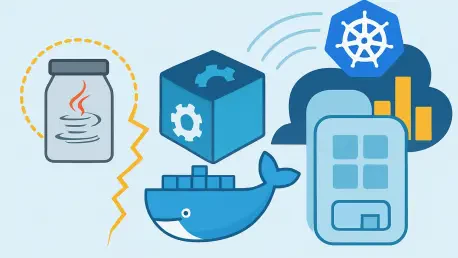
The migration of high-performance Java applications into containerized orchestration environments has become the standard for modern enterprise architecture by 2026, yet the technical friction between legacy JVM behaviors and cloud-native lifecycles remains a significant hurdle for many engineering

The rapid expansion of global e-commerce has forced major retail platforms to confront the mounting complexity of real-time fraud detection while maintaining seamless consumer transaction experiences. In the modern marketplace, every second of delay in a checkout process can lead to significant

The rapid proliferation of autonomous systems has fundamentally altered the digital landscape where machines now account for the majority of global web traffic compared to traditional human-driven interactions. This shift became increasingly apparent as traffic from Retrieval-Augmented Generation

The recent unveiling of Xiaomi’s MiMo-V2.5-Pro has ignited an intense debate regarding the transition from traditional, prompt-based AI interactions to truly autonomous digital entities capable of operating independently for extended periods. For years, the industry focused on improving the