
For scenarios where bandwidth constraints make synchronous data transfer impractical, delta-based asynchronous replication now provides application-consistent recovery with a one-minute Recovery Point Objective. The migration from traditional virtualization platforms like VMware to container-based

The tropical climate of Southeast Asia forces data centers to pay a cooling penalty, requiring significantly more energy and water than facilities located in more temperate global regions. This environmental reality serves as the backdrop for a massive digital transformation, as the region rapidly

By decoupling the authoritative storage source from the compute environment, organizations gain unprecedented flexibility in allocating expensive #00 and Trainium instances. This fundamental shift in infrastructure design comes at a time when the "rule of gravity" for data management has long been

The global race for artificial intelligence supremacy has entered a new phase where the raw power of silicon meets the strategic depth of long-term infrastructure planning. The seven-year, $11.6 billion cloud infrastructure agreement between Anthropic and Akamai signals a major shift toward
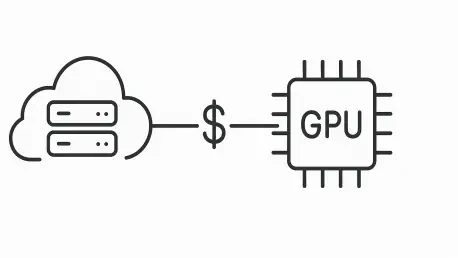
The skyrocketing cost of idle Graphics Processing Units has become a primary financial burden for enterprises managing modern AI and machine learning infrastructure. The arrival of Kubernetes 1.37, codenamed “Garhwal,” represents a pivotal moment in the evolution of container orchestration by

The success of AI-assisted scanning will ultimately be measured by how quickly identified vulnerabilities are fixed rather than just the number of flaws discovered. In the current landscape of 2026, where digital interdependencies have reached an unprecedented level of complexity, the defense of