
Behavioral scrutiny and device fingerprinting have replaced simple signature matching as the primary defense against sophisticated bad actors in the digital space. This shift has become essential as corporate infrastructures migrate toward decentralized models, where public-facing websites and APIs are the primary targets for exploitation. The Thales Imperva Cloud WAF addresses this reality by functioning as a high-capacity reverse proxy that stands between the internet and an organization’s core server. By intercepting every incoming request, the system ensures that malicious intent is identified and neutralized at the network edge rather than deep within the internal data center. This architecture utilizes a globally distributed Content Delivery Network that leverages a massive network of Points of Presence to scrutinize traffic in real time. Beyond security, this setup improves end-user experiences by utilizing Anycast routing and intelligent caching, proving that robust defense does not have to come at the expense of site performance.
Strategic Deployment and Integration
Flexible Implementation for Diverse IT Environments
Standardizing security across a fragmented digital landscape is a major operational challenge for modern technology leaders in the current year. The Imperva Cloud WAF platform addresses this by offering a highly versatile implementation model that fits various architectural frameworks without requiring a complete overhaul of existing systems. For many organizations, the shift toward a fully managed SaaS-based service represents the most efficient path to protection, allowing security teams to offload the burden of hardware maintenance while benefiting from immediate updates and global threat intelligence. This cloud-native approach ensures that even the most widely distributed applications receive uniform protection, regardless of their physical or virtual location. By acting as a secure gateway at the edge of the network, the platform creates a protective perimeter that moves with the data. This ensures that every interaction is verified against the latest security standards before it is allowed to progress.
Beyond the standard cloud delivery, organizations with specific regulatory requirements or high-security needs can utilize hardened gateway appliances and virtualization options. This flexibility allows for the deployment of dedicated physical units in environments like government data centers or financial institutions where direct hardware control is a strict mandate. These appliances work in tandem with virtualized deployments across various hypervisors, ensuring that security policies remain consistent whether the application is hosted on-premise or within a private cloud environment. This hybrid strategy eliminates the security gaps that often occur when companies try to manage disparate defensive tools for different parts of their infrastructure. By consolidating these functions into a single management plane, administrators can enforce a unified security posture that adapts to the scale of their operations. The ability to bridge the gap between traditional data centers and modern cloud environments makes this solution a cornerstone of long-term digital resilience.
Streamlined Traffic Routing and Configuration
The activation process for this defensive shield is designed for maximum efficiency, frequently allowing a domain to be fully secured in a matter of minutes. Security administrators begin the transition by integrating their domain names into the centralized management portal, which serves as the primary interface for all configuration tasks. To ensure that traffic is correctly routed through the scrubbing centers, ownership of the domain must be validated through standard DNS record updates, such as modifying CNAME or A records to point toward the Imperva infrastructure. This redirection is a critical step that essentially places the WAF as a sentinel in front of the origin server, allowing it to inspect and filter all incoming requests before they reach the internal network. This setup requires no hardware changes on the origin side, making it an ideal choice for businesses that need to implement enterprise-grade security without causing downtime or requiring extensive manual reconfigurations to their existing web hosting setup.
Once the traffic is successfully redirected through the global scrubbing network, the system immediately applies a series of default security policies that provide instant protection against common threats. These initial safeguards are specifically tuned to identify and block well-known vulnerabilities, such as Cross-Site Scripting, SQL injection, and remote file inclusion, which remain persistent risks in the current digital environment. Administrators can monitor the progress of this integration through a real-time dashboard that provides feedback on the status of SSL certificates, DNS integrity, and the overall health of the connection between the WAF and the origin. This visibility ensures that the transition is seamless and that any configuration issues are identified and resolved before they impact legitimate users. The ability to achieve such a high level of protection so rapidly allows organizations to respond to emerging threats with agility, ensuring that their public-facing assets are never left vulnerable during periods of expansion or transition.
Advanced Threat Mitigation and System Resilience
Managing Alert Fatigue Through Artificial Intelligence
The current volume of background noise on the internet is so immense that security teams are often overwhelmed by a constant barrage of low-level automated attacks. To combat the resulting alert fatigue, Imperva utilizes sophisticated Attack Analytics driven by Machine Learning to synthesize thousands of individual security events into a manageable list of prioritized incidents. Rather than presenting a raw stream of logs that would take hours to manually investigate, the system intelligently groups related events based on their behavior, origin, and the specific vulnerabilities they are attempting to exploit. This synthesis allows security professionals to focus their limited time on high-severity threats that pose a genuine risk to the organization, rather than getting distracted by the thousands of automated skirmishes that occur every hour. By applying advanced logic to the massive datasets generated by global web traffic, the platform transforms raw security data into actionable intelligence that empowers teams.
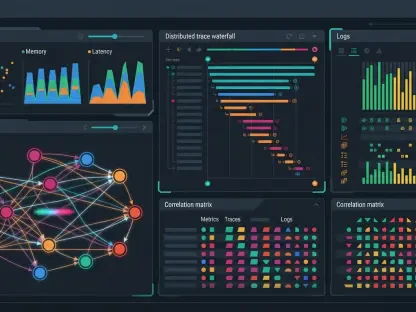
Each prioritized incident identified by the analytics engine is mapped to known Common Vulnerabilities and Exposures, providing analysts with immediate context regarding the nature of the threat. The dashboard offers visual clarity through detailed charts and maps that highlight the geographic origin of attacks, the specific tools used by the bad actors, and the particular security violations being attempted. This level of transparency is vital for understanding the broader threat landscape and for fine-tuning security policies to meet the unique needs of a specific application. Furthermore, the automated categorization of threats ensures that patterns are recognized across multiple domains, allowing for a proactive defense that can anticipate shifts in attacker behavior before they manifest as a breach. By reducing the noise and emphasizing the critical signals, the platform ensures that the security posture of the enterprise remains sharp and effective, even as the scale of the digital infrastructure continues to expand globally.
Automated Defense Against Global Volumetric Attacks
In addition to traditional attack vectors, the rise of aggressive web scraping and AI-driven data harvesting has introduced new challenges for protecting proprietary information. The WAF addresses these modern threats through advanced bot management tools that employ behavioral analysis and device fingerprinting to distinguish between beneficial search engine crawlers and malicious agents. This capability is particularly critical for organizations that need to protect their intellectual property from being ingested by Large Language Models without authorization. The system specifically tracks the activity of specialized AI crawlers like GPTBot and ClaudeBot, providing granular controls that allow administrators to block or restrict access to specific parts of their website. By modeling the interactions of legitimate users, the platform can identify the subtle patterns associated with credential stuffing or automated scraping attempts that would otherwise bypass simpler, signature-based defenses, ensuring that the integrity of the data remains secure.
Organizations that implemented these comprehensive defensive measures successfully neutralized the massive, high-capacity DDoS attacks that characterized the digital conflicts of the current decade. They relied on a scrubbing capacity of 13Tbps to process billions of packets every second, ensuring that volumetric threats never reached their internal servers or disrupted services for legitimate customers. These enterprises utilized the industry-leading three-second mitigation agreement to maintain high availability during the most intense periods of network stress. By prioritizing the configuration of intelligent failovers and automated response mechanisms, security teams effectively removed the human bottleneck from incident response. These strategic actions allowed businesses to preserve their reputation and financial stability while the broader internet faced unprecedented levels of automated disruption. Moving forward, the focus shifted toward integrating these edge defenses into the very fabric of application development, ensuring that security remained a proactive rather than reactive component of every digital strategy.