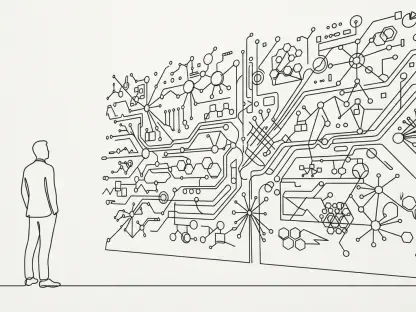

When a perfectly engineered software architecture meets the chaotic volatility of a live production environment, the results are often as humbling as they are expensive for the enterprise. Theoretical models frequently assume a level of environmental stability that simply does not exist when

The rapid evolution of autonomous software engineering has reached a critical threshold where major technology platforms are fundamentally restructuring their human capital strategies to prioritize algorithmic output over traditional headcounts. At Uber, this transformation is no longer a

The staggering scale of modern cloud infrastructure has reached a point where even a minor routing inefficiency can cascade into a global service disruption affecting millions of users. As data centers expand to accommodate the relentless growth of digital commerce and artificial intelligence, the

The rapid transition from simple large language model chat interfaces to sophisticated, autonomous agentic systems has fundamentally disrupted the traditional cloud computing paradigms that governed the first wave of the generative artificial intelligence revolution. As developers move away from
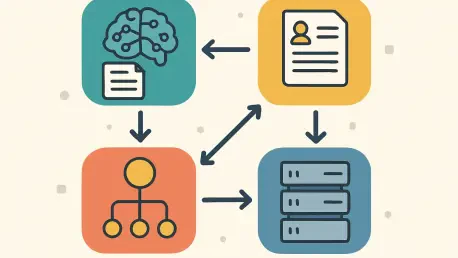
The transition from hardcoded, monolithic integrations to a unified communication standard marks a definitive turning point in how developers engineer agentic intelligence systems. As the industry moves away from the fragmented landscape of proprietary tool-calling methods, the Model Context

The rapid evolution of cloud-native infrastructure has transformed Kubernetes from a niche container tool into the foundational operating system for the modern global data center. This architectural shift requires engineers to look beyond the surface level of simple container orchestration and