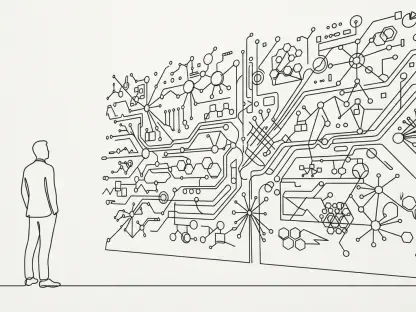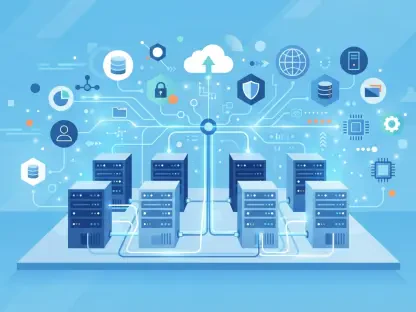

In a modern development landscape where software delivery speeds have reached unprecedented heights, the fragility of the underlying delivery pipeline remains a persistent threat to organizational stability and revenue. When a deployment fails or a build hangs, the immediate reaction from

A company’s ability to navigate the complexities of a modern digital economy often depends on whether it views its technological infrastructure as a static utility or a dynamic engine for growth and long-term innovation. For many organizations operating in 2026, the transition from reactive
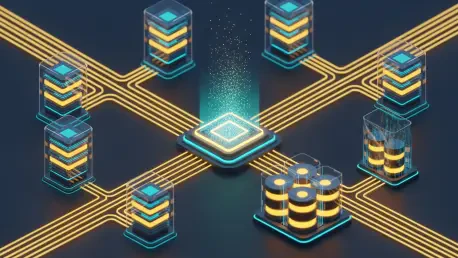
The transition toward visual backend development has fundamentally altered how modern enterprises approach software architecture, effectively ending the era where manual coding was the only viable path for complex systems. This shift is characterized by a significant departure from traditional
Container security has long remained the most significant bottleneck in rapid software delivery cycles, forcing developers to wade through endless lists of vulnerabilities without clear paths toward resolution. While traditional scanning tools excel at identifying Common Vulnerabilities and

The rapid integration of Large Language Models into automated software development lifecycles has introduced a sophisticated new attack vector known as indirect prompt injection, where malicious instructions hidden within benign-looking data can hijack an AI agent's execution flow. This

The traditional boundaries of the software development lifecycle have dissolved as autonomous agents move from simple code assistants to proactive participants in every phase of the engineering process. This shift represents more than just an increase in speed; it signifies a complete restructuring