

Microsoft Entra ID transitioned to making passkeys the preferred authentication method for all users in September 2026, though legacy passwords remain an optional fallback. This shift highlights a broader industry movement away from vulnerable shared secrets and toward robust, hardware-backed

Identifying exploitation of this flaw requires monitoring for specific telemetry signals, such as Onigmo native worker crashes or unusual spikes in Org-mode file rendering errors. This high-priority alert follows the discovery of CVE-2026-110264, a vulnerability that has achieved a perfect CVSS

The new hiring mandate at Google emphasizes that traditional programming knowledge must be repurposed to catch errors that artificial intelligence frequently makes. This shift reflects a broader industry reality where the software engineer has evolved from a manual creator of syntax into a

CircleCI bridges the gap between managed platforms and self-hosted runners by providing a powerful YAML-based interface with sophisticated release-tracking capabilities across various infrastructures. This development reflects a broader shift where engineering teams no longer view deployment as a

MIMIT Health uses specific emoji triggers within Slack channels to automate clinical approvals and notify specialized teams about urgent post-operative updates. This level of technical sophistication represents a significant shift from the traditional, paper-heavy administration that often slows

Rather than relying on complex zero-day vulnerabilities, the UNC7017 group exploited a lack of independent authentication within the AOMEI Backupper update client. This strategic decision allowed the threat actors to bypass the arduous process of discovering new software flaws, focusing instead on

The cybersecurity landscape shifted dramatically when a widespread campaign known as GhostAction began systematically targeting developer environments through automated credential theft and unauthorized workflow injections. By October 2026, researchers identified that approximately seven hundred

Infrastructure teams are increasingly using the onBrowserBailout metric to identify heavy components that unintentionally skip server-side rendering and hurt SEO scores. This development marks a significant turning point in the JavaScript and TypeScript ecosystem during the latter half of 2026, as
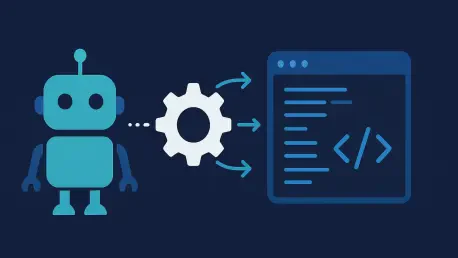
Manual harness creation has long been the primary bottleneck in fuzzing, requiring security experts to spend hours writing custom bridges for every target function. This persistent hurdle has historically limited the application of fuzzing to only the most critical or high-profile components of a

CodexCloudallowsdevelopersformallytoassigncomplexcodingtaskstoautonomousagentsrunningwithinisolatedremoteenvironmentscapableofeditingprojectfiles. This paradigm shift has redefined the relationship between engineers and their toolsets as of 2026, where the manual labor of initial environment
1 2 3 4 5 6 7 8 9 10 11 12 13 14 15 16 17 18 19 20 21 22 23 24 25 26 27 28 29 30 31 32 33 34 35 36 37 38 39 40 41 42 43 44 45 46 47 48 49 50 51 52 53 54 55 56 57 58 59 60 61 62 63 64 65 66 67 68 69 70 71 72 73 74 75 76 77 78 79 80 81 82 83 84 85 86 87 88 89 90 91 92 93 94 95 96 97 98


