

Microsoft Distinguished Engineer David Fowler argues that the mechanical act of manual syntax entry is rapidly transitioning into a high-level architectural oversight model. This fundamental shift marks the end of an era where software development was defined by the granular control of every

Unlike traditional automation that follows a rigid script, agentic AI systems possess the capacity to analyze defensive environments and pivot their strategies dynamically based on the specific resistance they encounter. This fundamental shift has transformed the digital threat landscape of 2026,
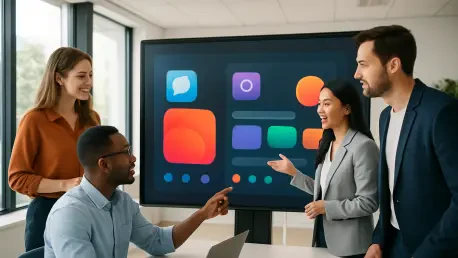
By tapping into Creative Cloud libraries, the new Slack application enables workers to search for existing campaign assets based on style or mood. The modern workplace demands immediate access to high-fidelity creative assets without the friction of toggling between specialized design software and

Systemic bottlenecks such as slow individual chips and communication delays frequently drag down entire clusters without triggering explicit software errors or training halts. Large-scale artificial intelligence initiatives now operate on hardware infrastructures involving tens of thousands of

By consolidating the entire network stack under a managed service model, organizations can reduce the complexity inherent in modern cloud-dependent environments. The current landscape of corporate infrastructure has reached a breaking point where traditional methods of manual oversight are no

Traditional analytics heartbeats that fire every fifteen seconds often overstate engagement by failing to account for users who are distracted by other windows or tasks. In the current digital landscape, businesses are drowning in behavioral data but often lack a clear understanding of customer

Surging demand for AI assurance has reshaped the competitive landscape of the automated software quality market as companies seek more resilient validation tools. Software engineering teams are moving beyond the era of static test scripts that break with every minor user interface change or dynamic

Software solutions currently dominate the digital infrastructure landscape, accounting for approximately 76.5 percent of the global revenue generated by monitoring technologies. This significant market share highlights a pivotal shift in how enterprises approach system reliability, moving away from
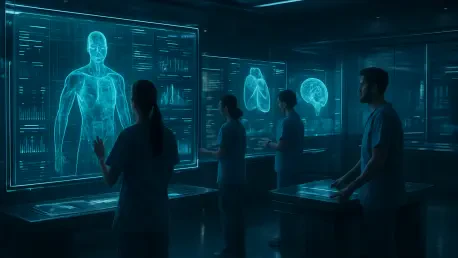
The integration of smart heart monitors allows for proactive alerts that notify medical staff the moment abnormal rhythms or blood sugar spikes are detected. This fundamental shift from reactive to preventive medicine ensures that high-risk patients receive intervention before critical incidents

Security analysis across model generations shows that while syntax pass rates have risen to 95 percent, security pass rates remain stagnant at roughly 45 percent. This fundamental gap highlights the core challenge of the current software development lifecycle where autonomous agents produce code at


