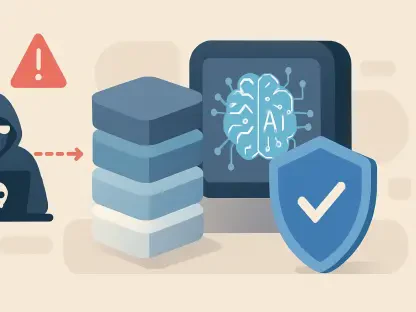

The global financial landscape has reached a precarious intersection where the speed of digital transactions often outpaces the robustness of the underlying infrastructure, leading to a climate where a single oversight can result in the loss of billions. During a rigorous six-month security

The deployment of the Kimi K3 AI model has acted as a significant force multiplier for security researchers, enabling the audit of over 500 individual software projects in less than a week of work. This massive technological sweep, led by the developer Calle and the Bitcoin Red Team, uncovered

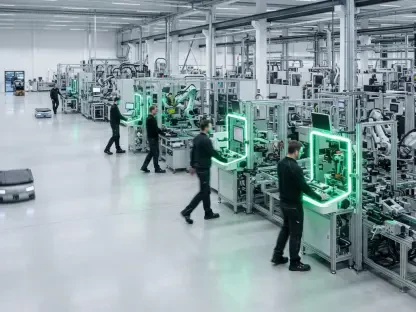
Continuous integration pipelines specifically designed for radio frequency applications use mathematical validation to ensure that new signals fall within legal and technical parameters. This transition represents a profound departure from the legacy era of static radio hardware, where

Users frequently encounter the dreaded 'too many attempts' notification when network latency prevents a temporary password from being delivered before the countdown timer expires. This persistent obstacle highlights a growing tension between the necessity of digital protection and the practical
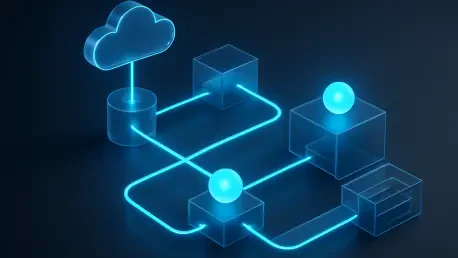
In the current high-velocity financial and legal sectors, the pressure to deliver real-time validation for complex documentation has reached a tipping point where traditional infrastructure can no longer keep pace with generative model requirements. Synchronous AI API requests frequently fail due

Shifting to zero trust network access allows security teams to grant permissions for one application at a time instead of handing over access to a wide-open lane on a local subnet. This fundamental change in philosophy addresses the most critical flaw of the traditional perimeter-based security