

As quantum processors begin to demonstrate capabilities that far exceed the limits of traditional silicon-based architecture, the foundational security protocols protecting the global digital economy are facing an unprecedented challenge. This evolution represents a critical juncture for

The sheer velocity of digital transformation has rendered traditional backup protocols nearly obsolete, as modern enterprises now function as intricate webs of interdependent services rather than siloed applications. Imagine a major financial institution that successfully restores its primary

The rapid transformation of digital entertainment from niche online forums into a sprawling multi-billion-dollar ecosystem has fundamentally altered how gaming networks and pop culture hubs handle high-volume commercial transactions. As massive events and exclusive digital drops become the norm,
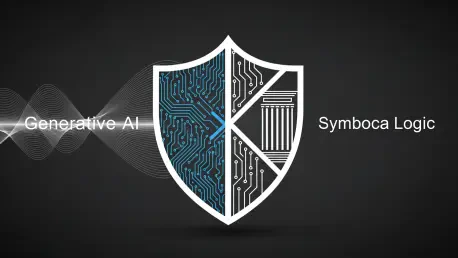
The meteoric rise of autonomous software development has fundamentally shifted how engineering teams deliver value, yet the sheer volume of AI-generated code introduces unprecedented security vulnerabilities that traditional scanning tools struggle to mitigate. Modern software engineering has

Modern web applications have become so complex that traditional automated scanners often fail to identify deep-seated logic flaws that require human-like reasoning and context-aware analysis. This gap has long forced security researchers to rely on tedious manual testing for sophisticated

New Zealand’s digital landscape is currently defined by a striking contradiction between executive optimism and operational reality that threatens the stability of the local economy. According to the latest Datacom Data Sovereignty Report, approximately eighty-five percent of local business and