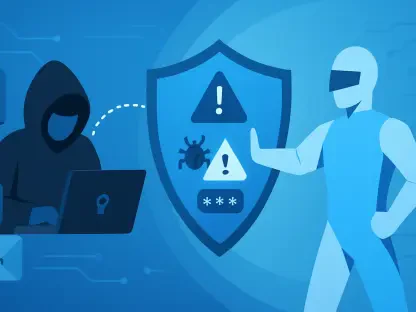

The extreme technical density of off-chain state channels in the Lightning Network has resulted in a higher concentration of security problems compared to other parts of the ecosystem. As decentralized finance continues to expand its footprint, the sheer volume of code protecting billions in assets has outpaced the capacity of traditional human-led audits. In response, a volunteer red team of security researchers has pivoted toward a tech-heavy strategy, deploying advanced artificial intelligence to oversee the sprawling software landscape. This transition marks a critical juncture in the evolution of blockchain maintenance, moving away from slow, manual code reviews toward high-velocity, automated scanning that can scrutinize hundreds of repositories simultaneously. By harnessing computational intelligence, these researchers are uncovering vulnerabilities that previously lay hidden in the shadow of complex architectures, ensuring that the foundational layers of the digital economy remain resilient against increasingly sophisticated cyber threats.
The Magnitude of AI-Driven Vulnerability Detection
Quantifying the Results of Automated Auditing
The implementation of this AI-human hybrid approach has yielded a staggering volume of data, revealing the true scale of technical debt within the ecosystem. By systematically scanning nearly 400 separate projects, the automated systems have already flagged almost 5,000 distinct anomalies that require further investigation. Among these findings, the team discovered 85 critical flaws and over 600 high-risk issues that posed immediate threats to software integrity and user funds. This high-density discovery process highlights a significant shift in how security is perceived, moving from a reactive model to a proactive, data-driven methodology. The ability to process such a vast amount of information in a fraction of the time it would take a human auditor allows for a comprehensive overview of the network’s health. It exposes the reality that as software grows in complexity, the probability of oversight increases, necessitating a permanent role for automated oversight in the open-source community.
Rather than causing public alarm or triggering market volatility, the researchers followed a strict protocol of responsible disclosure to handle these findings. They quietly provided developers with the necessary technical data and suggested remediation steps to patch vulnerabilities before they could be exploited by malicious entities. This discreet process ensured that the network was hardened in the background, preventing the potential destabilization that could result from the sudden exposure of thousands of potential entry points. By maintaining a professional and collaborative relationship with project maintainers, the red team effectively neutralized threats without undermining public confidence in the technology. This approach demonstrates a mature evolution of the security landscape, where the goal is not just to find bugs but to foster a more secure environment through cooperation. The successful management of these disclosures proved that automated tools, when guided by ethical researchers, can significantly improve the safety of the entire digital asset infrastructure.
Navigating Complexity in the Lightning Network
A significant focus of the audit involved the specific challenges found in the Lightning Network, where the density of software issues is notably higher than in other sectors. The inherent complexity of managing off-chain state channels, coupled with the rigorous multi-signature requirements, creates a challenging environment where traditional auditing often falls short. These projects are particularly susceptible to subtle bugs that may not appear in isolated tests but emerge during complex interactions between different nodes. The red team’s findings suggested that the intricate nature of these scaling solutions demanded more frequent and rigorous AI-assisted checks to ensure long-term stability. As these layers become more central to the utility of the network, the role of automated oversight is proving essential for maintaining the security of user funds within highly complex codebases. Without these tools, the speed of development would likely lead to a dangerous accumulation of unresolved technical debt in the scaling layer.
The intricacies of off-chain transactions require a nuanced understanding of state transitions, which are often difficult for human reviewers to track across hundreds of thousands of lines of code. AI models excel at mapping these logical paths, identifying edge cases that could lead to funds being locked or diverted through unauthorized channels. By focusing on these specific technical layers, the audit team provided a blueprint for how scaling solutions should be monitored as they grow in size and adoption. This proactive stance is vital because the failure of a major layer-two solution could have cascading effects across the entire ecosystem. The data-driven insights gained from these scans allowed developers to prioritize their efforts on the most volatile sections of the code. Ultimately, the integration of high-level pattern recognition into the development lifecycle has become a non-negotiable standard for any project aiming to support high-value transactions in a decentralized and trustless environment.
The Evolution of the Crypto Security Landscape
Human Expertise as a Force Multiplier
Despite the impressive capabilities of artificial intelligence, the consensus among researchers is that technology does not replace the need for human judgment but acts as a powerful force multiplier. By automating the discovery of low-level anomalies and repetitive patterns, these tools allowed human experts to dedicate their limited time to investigating high-level logic flaws and coordinating complex system fixes. This synergy between machine speed and human intuition created a new standard for security, where the ability to interpret and act upon AI-generated alerts became a primary indicator of a project’s long-term viability. The researchers observed that while the machine could find the “what,” humans were still required to understand the “why” and the “how” of a potential exploit. This collaborative model ensures that the creative and contextual reasoning of a security professional is applied where it is most needed, transforming the auditor from a manual explorer into a high-level strategist.
The strategic selection of tools like Moonshot AI’s Kimi K3 and Z.ai’s GLM 5.2 proved crucial for maintaining this defensive momentum without compromising data privacy. Unlike models that operated through restricted APIs, these specialized versions were run on local hardware, which ensured that sensitive code analysis remained within a controlled environment. This local execution prevented the accidental leak of unpatched vulnerabilities to third-party providers and allowed for unrestricted analysis of malicious pattern detection. The researchers highlighted that traditional models often stymied legitimate security work by flagging attack logs as policy violations. Consequently, the ability to utilize unrestricted, locally hosted AI became a cornerstone of the team’s ability to maintain a momentum-driven audit of the entire codebase. This move toward localized computational power reflects a broader trend in the industry, where privacy-centric and uncensored AI tools are becoming essential for highly sensitive technical operations.
Strengthening the Network Through Proactive Defense
The transition to AI-driven audits signaled a necessary evolution for the ecosystem to survive an increasingly sophisticated threat landscape. While the discovery of thousands of anomalies may appear concerning, it actually represents a significant strengthening of the network’s overall defenses. By identifying and cleaning up technical debt through structured, volunteer-led efforts, the community began building a more robust foundation for the future. The audit also highlighted the growing risk associated with “zombie” projects—software that was no longer actively maintained by its original developers but still existed in the wild. In the age of AI, it became easier than ever for attackers to find exploitable flaws in abandoned code, making the prompt decommissioning of unmaintained software a top security priority. This trend created a new form of pressure on the community, where the speed of a team’s response to AI-detected threats determined its defensive posture.
The integration of localized AI nodes directly into development pipelines successfully established a new baseline for decentralized security. This shift allowed individual contributors to run sophisticated scans before merging code, which effectively decentralized the auditing process and reduced the reliance on centralized security firms. The community learned that a proactive defense was the only viable way to protect the future of digital finance as the underlying technology continued to scale. To maintain this resilience, developers prioritized the use of uncensored, open-weights models that could be hosted privately, ensuring that security research remained independent of third-party corporate policies. This strategy not only identified thousands of hidden vulnerabilities but also fostered a culture of continuous improvement and rapid remediation. Ultimately, the balance between automated oversight and human expertise proved to be the most effective solution for hardening the infrastructure against the evolving threats of the current era.