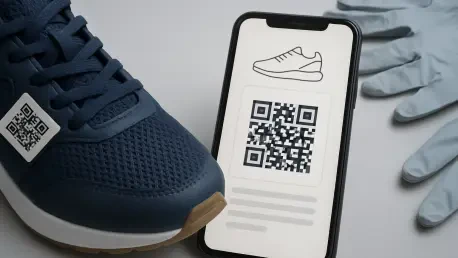

Current supply chain management systems often struggle to collect complex environmental data from diverse global suppliers without exposing internal networks to security risks. To address this fundamental vulnerability, TOPPAN Inc. and K4SECURITY Co., Ltd. successfully finalized a Proof of Concept (PoC) from late June to November 2026, marking a significant milestone in the evolution of digital trade. This collaborative effort was designed to test the integration of secure corporate identities with the emerging Digital Product Passport (DPP) framework. By establishing a cryptographically verifiable link between legal entities and their manufactured goods, the partners have developed a robust mechanism to combat identity fraud and data tampering in global markets. This project serves as a timely response to the increasing demand for corporate accountability, particularly as international regulators begin to mandate comprehensive lifecycle tracking for a wide variety of industrial and consumer products.
The Catalyst: Meeting European Regulatory Mandates
The primary driver behind this technological initiative is the European Union’s Ecodesign for Sustainable Products Regulation (ESPR), a landmark policy that is currently reshaping how goods are tracked across their entire lifecycles. Starting in 2027, every product sold within the European market will be required to carry a Digital Product Passport that documents essential environmental metrics, raw material origins, and end-of-life recycling instructions. While the initial mandates will focus heavily on the textile and apparel sectors, the scope is expected to widen significantly to include cosmetics, fragrances, and various industrial components by the end of this decade. Manufacturers who fail to adopt these digital standards risk losing access to one of the world’s largest consumer markets, making the development of secure data infrastructure a strategic imperative for global trade.
Despite the clear regulatory trajectory, the widespread adoption of digital passports has been hindered by two major operational hurdles: cross-border identity verification and the persistent threat of data manipulation within fragmented supply chains. Organizations often find it nearly impossible to guarantee that the sustainability data provided by a distant supplier is actually coming from a legitimate, authorized entity. The TOPPAN and K4SECURITY collaboration directly tackles these issues by creating a verifiable digital chain of custody. By utilizing a cryptographic signature that is inextricably linked to the manufacturer’s legal identity, the system ensures that every piece of information recorded in the product passport is both authentic and permanent. This approach effectively eliminates the ambiguity that currently plagues environmental reporting in international manufacturing networks.
Technical Synergy: Integrating Blockchain and vLEI
To provide a high-security foundation for this digital infrastructure, the PoC utilized TOPPAN’s verifiable Legal Entity Identifier (vLEI) system, which functions as a specialized digital credential for corporations. Based on the international ISO 17442-3:2024 standard, the vLEI moves beyond traditional text-based identification codes by providing a cryptographically secure method to prove the legal status of an entity. TOPPAN Edge Inc., serving as a recognized Qualified vLEI Issuer (QVI), provided the organizational credentials necessary to authenticate the manufacturers participating in the study. This technology allows businesses to issue digital certificates that confirm not only the identity of the company itself but also the specific authorization levels of the individuals responsible for signing off on critical environmental and production data during the manufacturing process.
On the architectural side, K4SECURITY integrated its proprietary blockchain platform, known as the K4-Security Product Trust Service (KSPTS), to act as the primary repository for the product passports. By connecting the vLEI system to the KSPTS platform through a specialized integration API, the partners successfully automated the verification workflow for issuing new passports. Under this model, a Digital Product Passport can only be generated once the manufacturer’s corporate identity has been confirmed via a cryptographic handshake. This ensures that the root data of the passport is anchored in a verified identity from the very beginning. The use of blockchain technology further enhances this process by providing a decentralized, tamper-proof ledger that allows stakeholders to track the history of a product with absolute confidence in the integrity of the records.
System Architecture: Enhancing Security and Interoperability
One of the most innovative features demonstrated during the PoC was the implementation of the Engagement Context Role (ECR-vLEI), which allows for granular permission management across the supply chain. In a typical global trade scenario, a single product may pass through the hands of multiple importers, logistics providers, and specialized recyclers, each of whom needs to contribute data to the passport. The ECR-vLEI allows the primary manufacturer to assign specific digital roles and authorities to these stakeholders, ensuring that each participant can only modify or add data within their authorized scope. This creates an unforgeable record of who did what and when, which is essential for meeting the strict transparency requirements of modern environmental regulations while preventing unauthorized access to the digital passport.
Furthermore, the PoC highlighted a middleware-style approach to system integration that prioritizes cybersecurity for all participating companies. Many manufacturers remain hesitant to connect their internal core enterprise resource planning systems directly to external regulatory networks due to the high risk of cyberattacks and data breaches. The architecture developed by TOPPAN and K4SECURITY acts as a secure authentication layer, allowing companies to transmit required sustainability data to international bodies without exposing their private internal networks. This design ensures full compliance with international data formats while maintaining a rigorous security perimeter. By decoupling sensitive internal databases from the public-facing passport system, the partners have created a scalable model that balances the need for transparency with the necessity of corporate data protection.
Strategic Roadmap: Future Commercialization and Global Standards
Following the successful technical validation of the framework, TOPPAN and K4SECURITY have pivoted toward a commercialization phase that includes extensive pilot testing with real-world manufacturing clients. These upcoming trials are designed to evaluate the system’s performance under high-volume data conditions and to refine the user interface for workers in various industrial environments. By moving from a controlled laboratory setting to actual production lines, the partners aim to ensure that the digital passport system is both practical and intuitive for everyday use. This transition is a vital step in transforming the PoC into a market-ready solution that can be adopted by a wide range of industries seeking a standardized path to compliance as the 2027 regulatory deadlines in the European Union approach.
In addition to industrial pilots, the collaboration will be showcased at the Singapore FinTech Festival 2026, providing a global stage to demonstrate how secure corporate identities can facilitate smoother international commerce. The partners have continued to coordinate their efforts with the Global Legal Entity Identifier Foundation (GLEIF) to ensure that their findings contribute to the ongoing development of international standards for digital product tracking. This alignment with global standardization bodies was crucial for creating a system that is interoperable across different jurisdictions and industries. By the end of the testing period, the initiative provided a clear blueprint for how technology can bridge the gap between industrial output and environmental accountability, establishing a new benchmark for trust in the global digital economy.