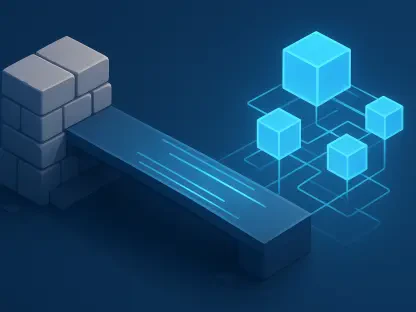

The classification of information systems into a new hierarchy from Grade A1 to A4 ensures that the most vital state functions have the shortest recovery targets. This initiative follows a significant service interruption at the National Information Resources Service center in Daejeon, which

Manual handling of sensitive API keys became a necessary but risky procedural shift for developers seeking to bypass the primary login failure. This transition occurred during a high-stakes technical disruption of the OpenAI Codex service on September 25, 2026, highlighting the inherent fragility
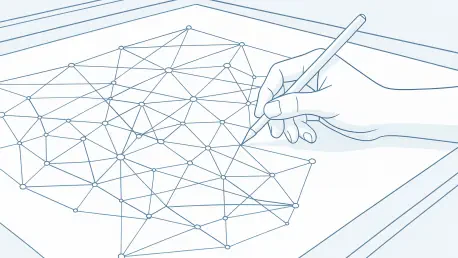
The distinction between physical survival and semantic survival remains the most critical takeaway for architects managing complex compliance-platform migrations. In the current landscape of 2026, the transition of massive datasets from legacy environments to modern platforms is often mistakenly
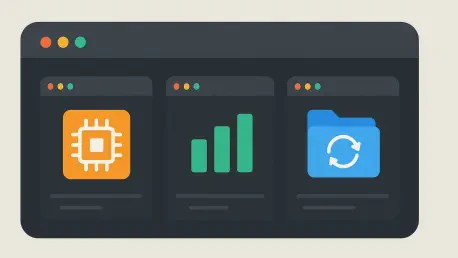
Relying on a single-pane terminal interface creates a bottleneck for administrators who need to execute repetitive health checks and log inspections across dozens of remote machines at once. For several decades, PuTTY has remained the default solution for Windows users who require Secure Shell

As technical defenses grow stronger, the battlefield for macOS security has shifted toward the psychological manipulation of the person behind the keyboard. While the core objectives of cybercriminals remain consistent, the execution has matured significantly throughout 2026, transitioning from

High-frequency trading and autonomous vehicle perception require millisecond-level responses to maintain safety and functional effectiveness in the field. This fundamental requirement highlights a growing rift in the artificial intelligence landscape: the gap between a model’s inherent intelligence