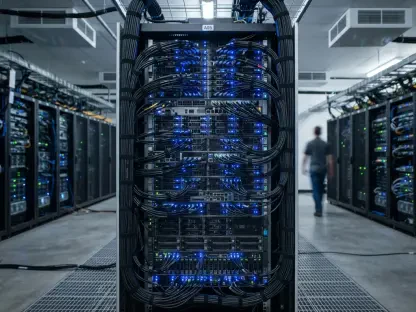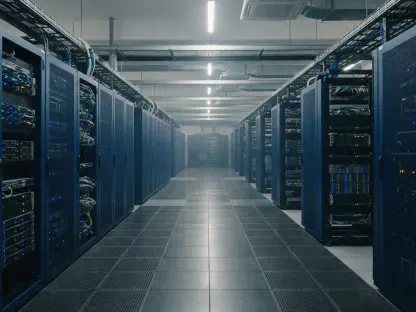

The integration of Cisco networking and high-density storage helps North Texas companies bypass the trial-and-error phase of adopting complex machine learning models. This advancement is part of a broader momentum transforming Texas into a preeminent hub for advanced digital infrastructure and cognitive computing. As local enterprises and academic institutions invest heavily in physical processing power, the state is effectively lowering the barrier to entry for sophisticated technical development. This evolution reflects a growing recognition that high-performance computing is no longer a luxury but a fundamental utility for modern economic resilience. By establishing localized centers for data processing, the region is fostering an environment where innovation can occur at an accelerated pace without the traditional bottlenecks associated with remote cloud services. This strategic shift ensures that the local workforce remains at the cutting edge of industry standards while also attracting global investment to the North Texas technological corridor.
Enhancing Regional Sovereignty Through Specialized Research Facilities
Securing Data Sovereignty: The Foundations of the Bryan Project
The Research and AI Compute Center located on the Texas A&M RELLIS Campus serves as a primary example of this new commitment to sovereign infrastructure. Built as a 73-megawatt facility, this project focuses specifically on the concept of Sovereign AI, which emphasizes the absolute control over data residency and processing outputs. For organizations operating within the national defense sector or highly regulated industries, this localized control is essential for maintaining the integrity of sensitive information. By removing the reliance on third-party cloud providers, the facility mitigates the risks of external data breaches and ensures that intellectual property remains under the strict custody of the researcher. This approach is becoming the standard for institutions that prioritize security above all else, as it allows for the deployment of complex models within a hardened and private environment. This development effectively bridges the gap between state-of-the-art research and the rigorous demands of governmental security protocols.
Supporting Academic Growth: Bridging the Resource Gap for Scholars
Beyond the technical specifications, the center addresses a long-standing challenge regarding the retention of high-level academic talent within the region. In the past, researchers and Ph.D. candidates frequently sought opportunities in other tech hubs because they lacked access to the necessary hardware for heavy computational simulations. The arrival of the new compute center allows these scholars to remain in Texas while conducting groundbreaking work in fields such as autonomous systems and predictive modeling. Furthermore, the initiative includes an instructional mandate that offers eight-week vocational courses to students and eligible community members. These programs are designed to create a specialized workforce capable of operating and maintaining high-density environments. By providing hands-on experience with top-tier hardware, the university is ensuring that the local talent pool is prepared to manage the infrastructure of tomorrow. This educational integration turns a massive hardware investment into a sustainable engine for regional socioeconomic growth.
Industrial Acceleration and Enterprise Computing in Dallas
Testing Large-Scale Applications: The Laboratory Methodology
In Dallas, the focus shifts toward the corporate sector with the establishment of a specialized supercomputer laboratory designed for enterprise-level experimentation. This facility provides a controlled environment where large companies can rigorously test complex applications before committing to the significant capital expenditures required for their own private infrastructure. By offering a functional factory for technical development, the project allows businesses to simulate real-world workloads and identify potential performance bottlenecks early in the process. This resource is particularly valuable for enterprises that have historically struggled to bridge the gap between initial pilot programs and full-scale deployment. The laboratory environment removes much of the guesswork associated with adopting advanced systems, allowing executives to make informed decisions based on empirical data rather than theoretical projections. This localized access gives North Texas corporations a significant competitive advantage in a global market that increasingly rewards speed and technical precision.
Achieving Enterprise Efficiency: High-Density Hardware and Deployment
The technical foundation of the Dallas laboratory relies on a sophisticated combination of NVIDIA graphics processing units and NetApp storage solutions. This high-density architecture is specifically tuned to handle the massive datasets required for training modern neural networks and deep learning models. By utilizing these industry-leading components, the facility can provide businesses with a performance level that far exceeds standard commercial server configurations. This technical capability is essential for companies looking to achieve a rapid return on investment by deploying tools that add immediate value to their operations. The ability to test these systems in a localized setting ensures that the networking latency and data transfer speeds are optimized for the specific needs of the regional business community. As more organizations transition their workflows to these advanced systems, the facility serves as a critical bridge between legacy operations and a future defined by high-speed automation. This focus on practical utility helps to demystify complex hardware for the broader business sector.
Addressing the Ethical and Cybersecurity Landscape
Managing Risks: The Neutral Framework of Digital Tools
While the technical advancements are significant, industry leaders emphasize that the responsible deployment of these tools remains a primary concern. The general consensus among experts is that digital automation acts as a neutral instrument, much like a traditional hand tool, whose ultimate value depends entirely on the intent and skill of the individual user. This perspective highlights the critical need for robust ethical guidelines and comprehensive oversight as these systems become more prevalent in daily commerce. Rather than focusing on speculative fears, the current strategy involves training human operators to manage these systems with a high degree of accountability. Furthermore, as these technologies become a silent component of retail and financial transactions, the focus shifts toward protecting the underlying integrity of the digital ecosystem. The massive compute power being built in Texas is increasingly being used to develop autonomous defense mechanisms that can identify and neutralize cyber threats with a level of speed that human operators cannot match.
Preparing for Implementation: Lessons From the Infrastructure Rollout
The successful rollout of these regional infrastructure projects established a sustainable framework for the integration of high-performance computing across Texas. Stakeholders found that the combination of academic research and corporate testing facilities provided a comprehensive solution to the most common barriers of technical adoption. By prioritizing local data sovereignty and hands-on vocational training, the state successfully mitigated the risks associated with the rapid expansion of digital automation. Leaders identified that the focus on ethical oversight and robust cybersecurity protocols served as a necessary foundation for public trust. Organizations that utilized these specialized laboratories reported a significant reduction in deployment costs and an accelerated path toward operational efficiency. Moving forward, the lessons learned from these initiatives offered a clear blueprint for other regions seeking to build a resilient and secure technological ecosystem. The integration of advanced networking and localized storage ultimately proved that physical infrastructure was the most critical factor in achieving long-term economic stability in a digital age.