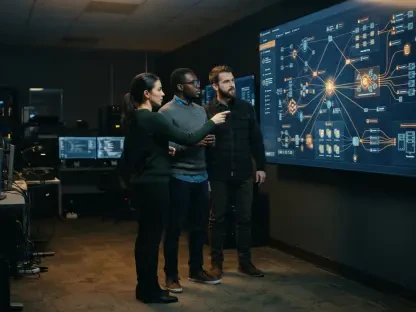
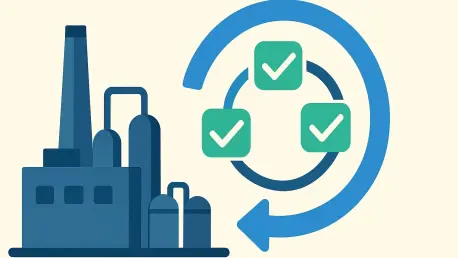
Staged, canary-style rollouts offer a critical safety property by allowing a pilot site to be observed before a model version is released to the remaining fleet. In the current landscape of 2026, the complexity of deploying machine learning models to industrial environments has moved beyond the

Module Lattice-based Key-Encapsulation Mechanisms facilitate secure key exchanges by leveraging mathematical complexity that exceeds the processing power of any known supercomputer. This reality has become the cornerstone of digital defense in 2026, as the international community grapples with the
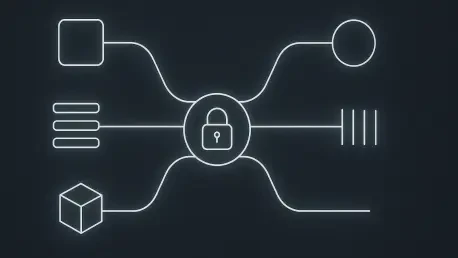
The three-hop topology introduces a secure intermediary that terminates authentication and manages complex OAuth processes before interacting with backend tool servers. This architectural shift addresses the digital sprawl of 2026, which has brought about a paradox where autonomous AI agents,

Profile card skeletons should utilize specific dimensions for avatars and bio lines to ensure the layout remains perfectly stable when real data loads. Modern user interfaces in 2026 demand an immediate visual response to interaction, even when the underlying data is still traversing the network.

The success of AI-assisted scanning will ultimately be measured by how quickly identified vulnerabilities are fixed rather than just the number of flaws discovered. In the current landscape of 2026, where digital interdependencies have reached an unprecedented level of complexity, the defense of

A massive spike in one-time revenue during the post-quantum migration phase may not translate into recurring income for vendors who fail to offer modular services. This financial reality highlights a critical pivot in the global cybersecurity landscape where the focus has shifted from the