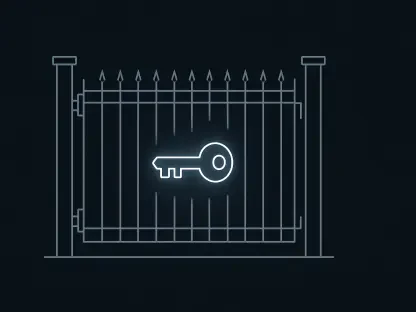

The shift toward Zero Trust Network Access is driven by the urgent need to verify device posture and user identity continuously throughout every active session. As the traditional network perimeter has effectively dissolved, organizations can no longer rely on the antiquated "castle-and-moat"

The rapid proliferation of unmanaged AI agents within the enterprise creates a fragmented software ecosystem that poses a significant long-term maintenance challenge for technical departments. This instability stems from the inherent unpredictability of general-purpose large language models, which

The reliability of a modern high-concurrency backend system depends on a coordination layer that remains largely unnoticed until a major duplicate payment or a missed data synchronization occurs. In the current landscape of distributed engineering, the move from monolithic architectures to

Organizations across the globe are frequently discovering that the very infrastructure that powered the software revolution of the last decade is now the primary bottleneck for the intelligence revolution currently unfolding. While traditional cloud architectures were designed to host stateless web
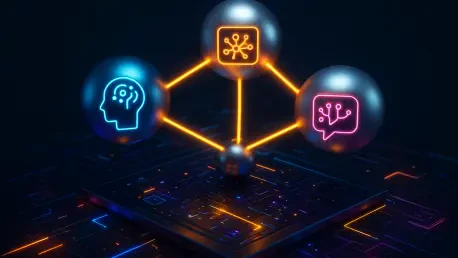
The relentless pressure to deliver software features at high velocity has pushed traditional manual code reviews to a breaking point, creating a systemic bottleneck that often forces teams to choose between deployment speed and long-term code quality. Synchronizing findings from multiple parallel
Granular retention rules allow users to maintain a dense history of recent changes while preserving a sparser, long-term archive of older information. Imagine a scenario where years of professional documentation, family photographs, and sensitive financial records vanish in the time it takes for a