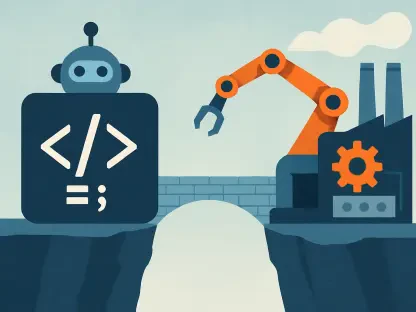

The rapid evolution of autonomous AI agents in 2026 has fundamentally changed how developers interact with code, yet allowing these systems to execute commands on a local machine remains a significant security risk for many organizations. As these agents become more capable of navigating complex
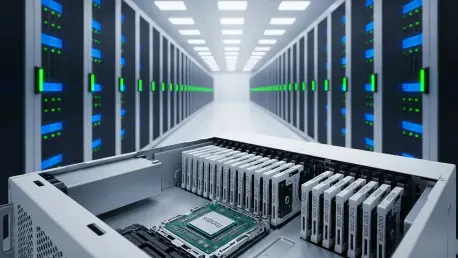
Selecting the wrong processor architecture for massive data sets often leads to spiraling operational costs and architectural bottlenecks that hinder organizational growth. In the realm of distributed computing, the choice between traditional legacy hardware and modern Cloud Native silicon

Modern web security has evolved far beyond simple password fields, as developers now grapple with a landscape where user identity must be both portable and impenetrable across diverse cloud environments. When a user clicks a button to sign in using a corporate or social account, they are
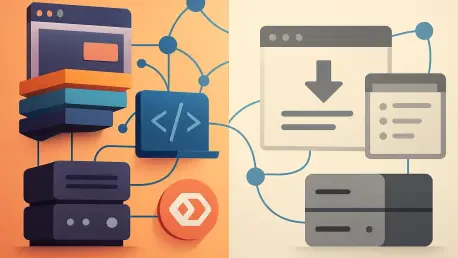
The rapid inflation of frontend dependencies has reached a critical breaking point where the architectural overhead of modern web applications often outweighs the actual business value they deliver. For years, the industry pushed toward a "thick client" model, assuming that every interactive

The modern enterprise currently navigates a digital landscape where the sheer volume of data endpoints has rendered traditional, manual connectivity methods nearly obsolete for high-growth operations. In this climate, true scalability is no longer defined by the quantity of hardware in a data

The financial reality of modern enterprise computing has reached a point where the sheer volume of cloud billing data exceeds the cognitive capacity of even the most diligent human financial analysts. While the initial promise of a multi-cloud strategy focused on the freedom to choose the