

For nearly three decades, Java developers have wrestled with the inherent complexities of asynchronous programming, often finding themselves trapped between the raw power of the Thread class and the brittle abstractions of older executor services. While the introduction of virtual threads through
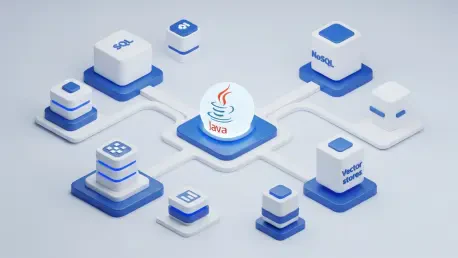
The contemporary software landscape has underwent a silent but profound transformation where the primary concern for engineering teams has shifted from managing the underlying infrastructure to orchestrating the immense complexity of distributed data flows. While the previous decade focused heavily

The sheer volume of digital information circulating within corporate networks has reached a level where raw data is no longer a luxury but a fundamental requirement for survival. In 2026, the competitive landscape is defined by an organization's ability to extract value from massive, often chaotic

The global landscape of digital infrastructure is undergoing a radical metamorphosis as the demand for intelligent processing pushes the big data storage market toward a staggering valuation of over three hundred thirty billion dollars by 2035. This projected growth, representing a massive leap

The modern software development landscape is increasingly defined by the speed of deployment, yet security often remains a bottleneck that slows down innovation while leaving critical vulnerabilities unaddressed in the source code. As organizations push toward more automated workflows, the

Software engineering teams now find themselves in a peculiar situation where code generation has reached unprecedented speeds, yet the actual release of that software remains trapped in an agonizingly slow cycle of manual handoffs and fragmented toolchains. While Large Language Models and automated