
For over half a century, the global technology sector has operated under the assumption that human developers are the primary bottleneck in the software creation process. This foundational belief birthed the Software Development Lifecycle, a structured sequence of planning, coding, and testing that
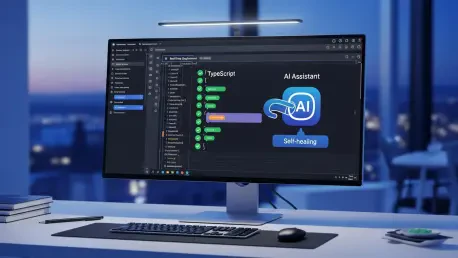
The traditional method of managing software deployments through rigid configuration files has increasingly become a bottleneck for modern engineering teams striving for agility. For years, developers have been forced to navigate a fragmented landscape of third-party tools, external repositories,

While the global consensus on the absolute necessity of Application Programming Interface stability remains unchallenged, a profound disconnect often persists between the engineering desire for high-quality software and the operational reality of brittle, unmaintained test suites. In the

The frantic ticking of a release clock often drowns out the quiet logic of engineering best practices as teams scramble to push code through a final, high-pressure gauntlet of quality assurance. The two-week sprint has ostensibly become the heartbeat of modern software development, yet for a vast
The rapid proliferation of interconnected cloud services and microservice architectures has pushed modern development teams into a state where manual security audits are no longer feasible or effective at scale. Traditional static analysis security testing tools frequently struggle with modern

Securing a modern software development lifecycle requires more than just standard firewall configurations and routine password rotations when sophisticated actors are targeting the very heart of the CI/CD pipeline. The recent discovery of critical security flaws in GitLab Community and Enterprise