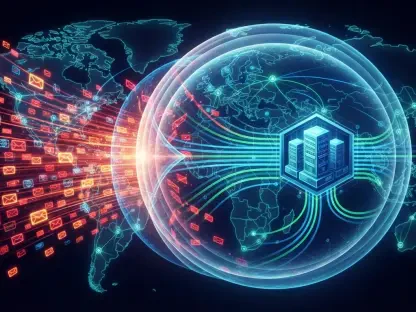

Managing the persistence of an agent's working context is now possible through the Agent Drive, a distributed filesystem designed for continuous autonomous sessions. This advancement comes at a time when the artificial intelligence sector is moving away from basic request-response patterns toward

The sophisticated digital locks protecting today's corporate networks often crumble not because a firewall failed, but because the very machinery of software delivery was handed over to a silent intruder. While security teams have spent years hardening endpoints and perfecting Security Operations
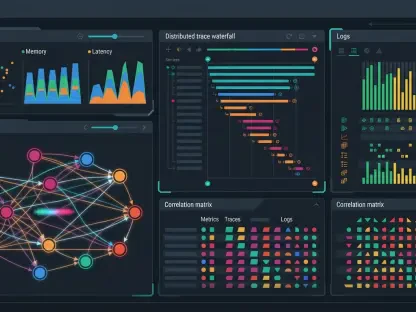
The escalating friction between the unbridled growth of distributed system data and the rigid constraints of corporate fiscal responsibility has forced a radical rethink of how organizations handle telemetry. As systems become increasingly interconnected through microservices and serverless
Before the introduction of AI agents, technical bandwidth served as a major bottleneck for routine activities like campaign launches and quarterly business reviews. In the fast-paced marketing environments of 2026, the reliance on manual data pulls and dashboard refreshes often led to missed

ClickUp positions itself as a comprehensive work hub by seamlessly blending task management with collaborative document editing features. In the professional landscape of 2026, the primary challenge for organizations has shifted from simple task execution to the intelligent organization of complex
Microsecond-scale latency is the critical threshold for performing real-time quantum error correction and adaptive calibration during active computation. This specific time constraint has long stood as a formidable barrier, separating theoretical quantum advantage from practical, real-world utility