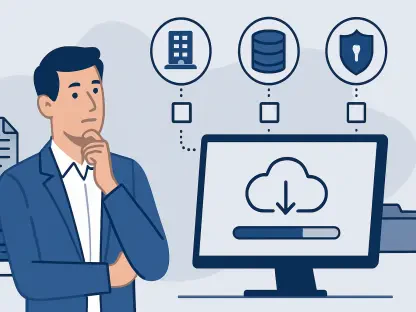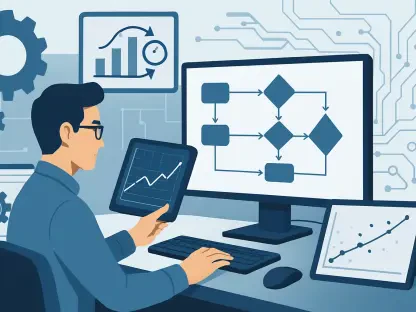

A core component of the new platform is the ability for users to define which AI actions require explicit approval and which can be handled autonomously. This innovation marks a departure from the legacy paradigm where users were required to provide a specific prompt for every desired output. Instead, the ecosystem functions as a persistent digital workforce that anticipates needs by monitoring live data streams across multiple platforms. By moving beyond the conversational constraints of early models, this framework allows for the creation of a seamless bridge between strategic human decision-making and mechanical execution. The result is a dynamic environment where the distinction between static documentation and active project management disappears, creating a living repository of organizational knowledge. This transition to always-on intelligence signifies a move toward a more scalable model of knowledge work, where human oversight acts as the primary governor of efficiency.
Structural Foundations: The Agentic Ecosystem
Spaces: Dynamic Collaboration Hubs
Spaces serves as the foundational layer for this architecture, functioning as a sophisticated, collaborative hub where teams can consolidate fragmented workflows into a single interface. These environments move far beyond the limitations of traditional static pages by incorporating real-time context integration that synchronizes directly with external communication channels. For instance, when a project manager updates a milestone in a specialized tracking tool or a developer closes a ticket in a code repository, the corresponding Space reflects these changes instantly without manual entry. This creates a unified source of truth that remains current as external tasks are finalized throughout the workday. The organizational structure within Spaces allows for nested subpages and embedded media, ensuring that complex initiatives remain organized even as they scale. This high-fidelity environment provides the necessary context for AI agents to understand the project nuances.
Dots: The Proactive Execution Layer
The actual execution of tasks within this ecosystem is handled by Dots, which represent a significant leap in the capabilities of autonomous agents powered by the GPT-6 Astra model. Unlike previous iterations of AI assistants that relied on user-triggered interactions, Dots are designed to operate independently via their own cloud-based browser instances. This technical capability allows them to navigate the open web or internal portals to gather data, schedule meetings, and update records even when the human user is not actively logged into the platform. By maintaining a persistent memory across different tasks and platforms, these agents can manage recurring responsibilities that previously required constant human intervention. They are essentially specialized digital teammates capable of monitoring specific KPIs or industry trends and acting on that information according to predefined rules. This proactive nature shifts the burden of administrative maintenance to the software.
Operational Governance: Safety and Implementation
Security Sandboxes: Balancing Autonomy and Risk
Implementing autonomous agents at scale requires a rigorous approach to security and operational governance to mitigate the risks associated with independent digital actions. The system addresses these concerns by utilizing a sophisticated permission framework that allows administrators to set granular boundaries for every agent within the organization. These safety sandboxes ensure that a Dot cannot perform high-stakes operations, such as financial transactions or sensitive data deletions, without a verified human signature. Users can customize the level of autonomy granted to each agent based on the complexity and risk profile of the assigned task. For example, an agent tasked with scheduling meetings might operate with full autonomy, while one managing external vendor relations might be restricted to a review-and-release workflow. This layered security model ensures that the gains in efficiency do not come at the expense of corporate privacy or overall organizational integrity.
Professional Tiers: Economic Implications of Adoption
The deployment of these tools is structured around a tiered economic model that targets high-output professionals and enterprises willing to invest in massive productivity gains. Access to the most advanced capabilities, such as the Ultrafast processing mode and the ability to run multiple concurrent Dot agents, is prioritized for users on the Pro and Business Premium plans. With costs set at approximately $500 per month for individuals and $100 per user for corporate teams, the pricing strategy reflects a focus on the professional market where the return on investment is measured in hours saved on administrative overhead. This premium positioning suggests that the value proposition lies in the agent’s ability to act as a force multiplier for product managers and developers. By offloading hours of manual coordination to a digital workforce, these professionals can justify the subscription cost through increased output and improved project velocity within the 2026 fiscal environment.
Strategic Evolution: Integrating the Digital Workforce
The integration of these advanced collaborative tools and autonomous agents established a new standard for how modern organizations approached digital productivity. By merging the structural clarity of project spaces with the proactive capabilities of independent agents, the platform successfully reduced the friction inherent in managing complex, multi-platform workflows. Leaders who began implementing these systems found that the key to success lay in clearly defining the boundaries between human creativity and automated execution. Moving forward, the most effective strategy involved a phased rollout where low-risk administrative tasks were automated first, allowing the internal culture to adapt to a collaborative environment shared with AI. Organizations had to prioritize data hygiene and clear communication protocols to ensure that the living documents within their workspace remained accurate. This evolution demonstrated that the future of work was not about replacing talent.