The integration of sophisticated computer vision into standard enterprise Java environments has historically been hindered by the heavy reliance on Python-centric ecosystems. While Python remains a dominant force for model training and research, the production systems that drive modern logistics,
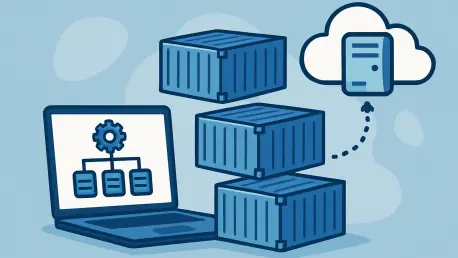
The transition from traditional physical servers to virtual instances felt like a revolution, but it was merely a prelude to the surgical precision offered by modern containerization techniques. Software development has moved beyond the era of massive, slow-moving monolithic architectures toward a
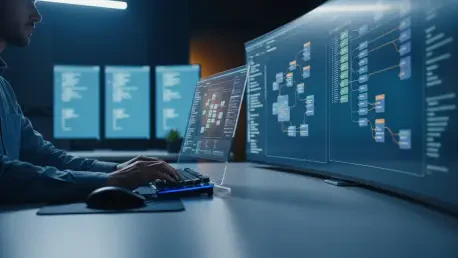
A veteran software engineer sits in front of a glowing monitor, watching as thousands of lines of code materialize not through the rhythmic tapping of keys, but through the silent orchestration of a fleet of autonomous digital agents. The industry currently finds itself caught in a dizzying

Managing modern web application complexity requires a fundamental rethink of how user interactions translate into data updates, especially as forms become the most dense nodes of state within any front-end architecture. In the current landscape of 2026, the reliance on manual event coordination has
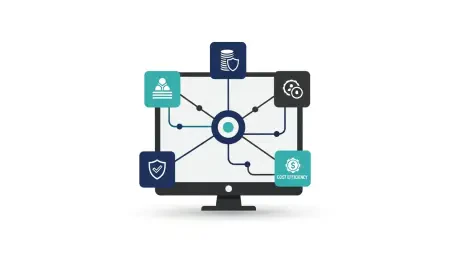
The transition from a successful laboratory experiment to a robust production-grade application often represents the most significant hurdle in the modern enterprise software lifecycle. In the initial "Day 1" phase of Generative AI adoption, development teams typically prioritize speed and agility,
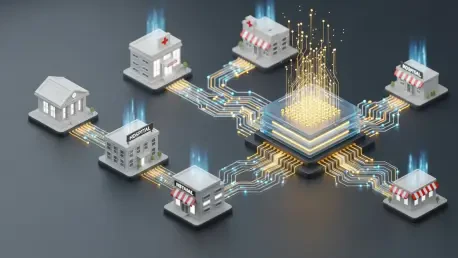
The invisible architecture powering global financial transactions and personalized digital experiences is currently undergoing a radical shift away from rigid, hard-coded procedures toward fluid, rule-based inference systems. This structural transformation addresses a systemic failure in