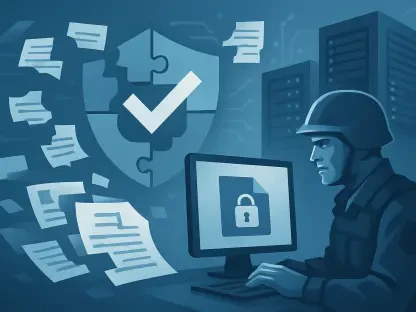

Strategic integration of file reconstruction technology ensures that protection is based on structural integrity rather than reactive malware detection. This partnership between MindLink and Glasswall addresses a persistent vulnerability within secure communication platforms where user access and chat permissions are strictly regulated, yet file attachments often bypass rigorous scrutiny. In high-stakes defense sectors, the inability to verify every byte of an incoming document creates a significant liability. Traditional security measures often fall short when dealing with unknown threats or complex file formats that contain hidden executable code. By bridging this gap, the collaboration provides a unified approach to data integrity, ensuring that information flows safely across classified domains without compromising the speed of mission-critical operations. The initiative targets the defense sector where maintaining data integrity across cross-domain environments is a critical necessity for tactical success.
Strengthening Defensive Data Exchange
Transition to Zero Trust File Reconstruction
The integration addresses a major security gap where traditional scanning methods often fail to detect unknown threats, active content, or hidden metadata that could compromise a secure domain. Even if a file passes a conventional antivirus scan, it may still contain malicious structures or data that violates handling rules. To mitigate this, the partnership employs Glasswall’s Content Disarm and Reconstruction technology. This system operates on a Zero Trust architecture, treating every incoming file as a potential threat regardless of how familiar it may appear. Instead of scanning for known malware signatures, the software validates the file’s structure and rebuilds a new, clean version that adheres strictly to organizational policies. This process strips away non-compliant data while preserving the file’s functional utility. This transition marks a fundamental shift from trying to identify what is “bad” toward defining exactly what is “good” and discarding everything else.
The Mechanics of Structural Validation
Building on this foundation, the reconstruction process ensures that users receive usable documents that are mathematically proven to be safe. When a staff officer shares a briefing document or a technical schematic, the system deconstructs the file into its constituent parts, checking them against the manufacturer’s original specification. Any deviations, such as embedded macros or malicious scripts hidden within the file’s binary layers, are automatically neutralized during the rebuilding phase. This approach naturally leads to a more resilient communication ecosystem where the risk of document-based malware is virtually eliminated. Furthermore, the high-speed nature of the reconstruction allows for real-time collaboration, meaning that security does not become a bottleneck for urgent operational requirements. By automating this level of scrutiny, the combined solution reduces the manual burden on security analysts and increases the overall pace of secure information exchange within diverse tactical environments.
Operational Security in High-Stakes Environments
Localized Deployment and Data Sovereignty
A key feature of this collaboration is the localized deployment capability, which distinguishes it from many commercial collaboration tools that rely on external cloud services. Glasswall serves as an embedded component within the MindLink platform, allowing the combined system to operate on-premises and within isolated, air-gapped networks where mission-critical work occurs at the highest classification levels. Once a file is processed, it is encrypted in storage and can be viewed directly within the MindLink interface, which minimizes the need for local downloads and prevents unauthorized caching or the creation of temporary copies on unapproved devices. This self-contained architecture is vital for maintaining digital sovereignty and ensuring that sensitive intelligence remains within controlled perimeters. By removing the dependency on external connectivity for threat mitigation, organizations achieve a higher level of operational continuity and data protection in environments where internet access is prohibited.
Streamlined Compliance and Audit Trails
Technical leadership effectively moves security controls closer to the point of information exchange to ensure that every transaction is documented and verified. By embedding these checks directly into the workflow, the system provides an automated audit trail for accreditors that covers assurance, authorization, and release protocols. Every reconstructed file includes attached evidence of the process, which simplifies the compliance reporting required for cross-domain operations. Agencies focus on expanding this methodology to broader partner networks to facilitate rapid, secure data sharing between different security tiers. This partnership enables defense teams to share vital information across various organizational boundaries while ensuring protection is based on inherent file safety. Leaders prioritize the adoption of such integrated solutions to replace fragmented security stacks, streamlining the path toward a more cohesive and secure digital battlefield. These advancements establish a new benchmark for defense data exchange.