
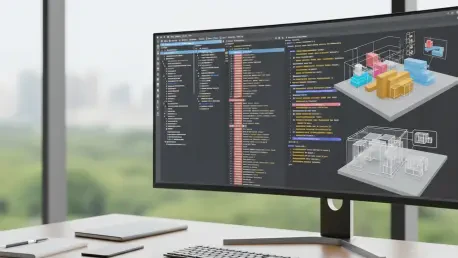
The traditional bottleneck of machine learning development has long been the intricate and often repetitive manual labor required to transition from a raw dataset to a fine-tuned, production-ready model. For years, data scientists have navigated a fragmented landscape of disparate scripts,

Software developers frequently encounter the frustrating bottleneck of empty database tables when trying to validate complex queries or optimize system performance before a major production launch. Without a substantial volume of information, even the most elegantly designed application can fail to

The rapid evolution of cloud-native infrastructure in 2026 has placed an unprecedented premium on code maintainability and architectural flexibility, yet many development teams still struggle with the "complexity wall" that emerges as Go projects scale. While the language was designed to promote

The administrative burden of processing nearly forty thousand citizen safety reports every single day has historically pushed public infrastructure to its absolute limit, often resulting in delayed responses during critical emergencies. To address these systemic bottlenecks, LG AI Research and the
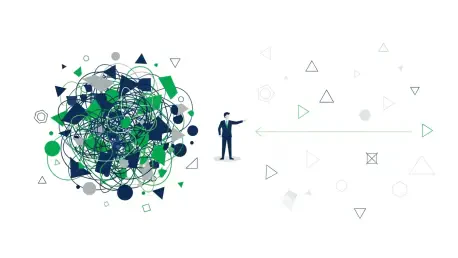
Enterprises today frequently find themselves trapped in a cycle where adding more technology results in less efficiency, creating a paradox that undermines the very goal of digital transformation. While the promise of automation suggests a future of streamlined operations and reduced manual labor,

The commercial real estate industry has reached a pivotal juncture where the traditional reliance on disconnected data points is being replaced by a sophisticated, unified approach to asset intelligence. For more than three decades, the valuation of complex property portfolios was largely confined