
By flipping specific configuration bits within the memory controller, a non-privileged process can gain direct access to supposedly fenced-off regions like System Management Mode. This revelation challenges the long-held assumption that hardware-level data randomization provides an impenetrable

The deployment of the Kimi K3 AI model has acted as a significant force multiplier for security researchers, enabling the audit of over 500 individual software projects in less than a week of work. This massive technological sweep, led by the developer Calle and the Bitcoin Red Team, uncovered
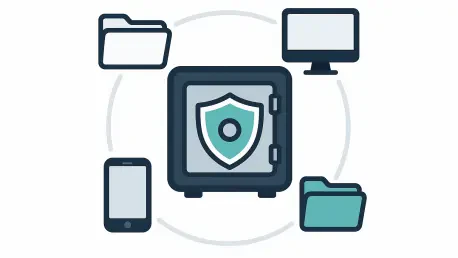
The ability to receive a physical recovery drive remains a vital feature for power users and businesses, as the sheer volume of modern datasets can make cloud-only restoration prohibitively slow. In the digital landscape of 2026, where individual households and enterprises alike manage

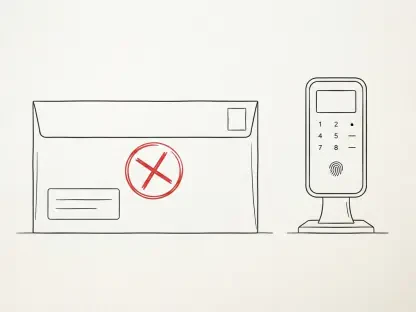
Traditional multifactor authentication methods like SMS and voice are now classified as phishing-prone vulnerabilities rather than robust security measures by modern industry standards. As cyber threats evolve toward sophisticated adversary-in-the-middle attacks, Microsoft Entra ID has pivoted

Users frequently encounter the dreaded 'too many attempts' notification when network latency prevents a temporary password from being delivered before the countdown timer expires. This persistent obstacle highlights a growing tension between the necessity of digital protection and the practical

Shifting to zero trust network access allows security teams to grant permissions for one application at a time instead of handing over access to a wide-open lane on a local subnet. This fundamental change in philosophy addresses the most critical flaw of the traditional perimeter-based security