
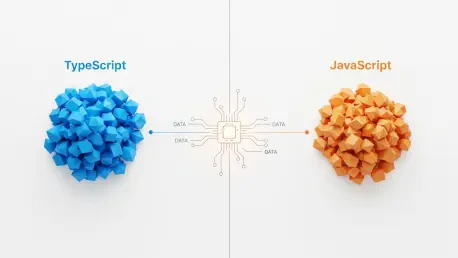
The rapid expansion of Large Language Model capabilities has fundamentally altered the economics of software engineering, where the verbosity of source code now directly translates into tangible operational expenses. As developers increasingly rely on automated agents for code generation,

Engineering high-availability software requires a departure from traditional error-handling techniques that rely on manual state persistence and complex retry loops across fragmented services. As organizations navigate the complexities of modern cloud environments, the conversation has shifted

The relentless expansion of global data volumes and the increasing reliance on real-time artificial intelligence have fundamentally altered how architects perceive the limitations of traditional relational database systems. While the early 2000s saw a period where researchers believed transactional

The modern developer laboring over sophisticated artificial intelligence agents often spends more time navigating browser tabs than actually refining logic or adjusting parameters. This friction is a byproduct of the current shift toward cloud-based AI ecosystems where the actual execution occurs
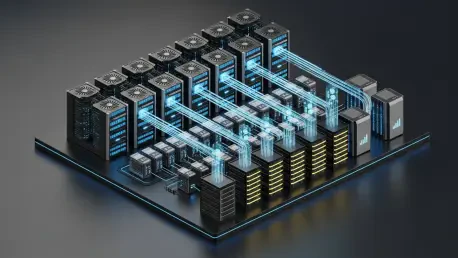
The traditional responsibilities of maintaining high availability for web servers have been completely overshadowed by the rigorous demands of orchestrating massive clusters of specialized graphical processors for machine learning tasks. Cloud engineers must recognize that the transition from

The rapid transformation of modern software engineering is currently being driven by a decisive movement away from passive data monitoring and toward a future defined by autonomous, self-healing systems. For years, the industry has focused on generating vast amounts of telemetry data, including