
The transition from traditional keyword-based indexing to deep semantic understanding has fundamentally altered how enterprise data serves business objectives in the current technological landscape. While early iterations of retrieval-augmented generation relied on a single-query approach to find

The digital economy within the telecommunications sector has transitioned from a landscape of monolithic contracts to one defined by trillions of granular transactions occurring every millisecond. This shift means that profitability no longer hinges solely on securing the next massive government or

The rapid proliferation of unstructured data within modern enterprises has fundamentally transformed the requirements for retrieval systems from simple keyword matching to high-dimensional semantic search that demands massive computational power. As organizations transition toward generative AI
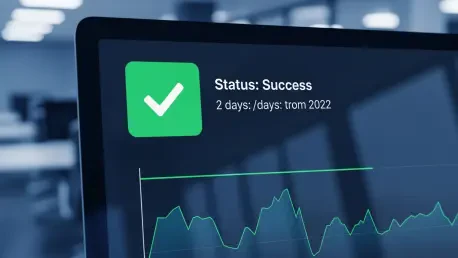
A flawlessly synchronized data pipeline often presents a deceptive sense of security when every automated validation report arrives with a perfect green status despite the underlying information being dangerously outdated. This paradox represents one of the most significant hurdles for modern data

The modern workplace currently struggles with a fragmented digital ecosystem where critical information often becomes trapped within specific application silos like Microsoft Teams or Google Chat. While the era of choosing a single communication stack has largely passed in favor of best-of-breed

The European digital landscape is currently navigating a pivotal transition point defined by a profound structural misalignment rather than a lack of raw technological resources. This discrepancy is often described as a "Goldilocks problem," where the individual components of a world-class cloud