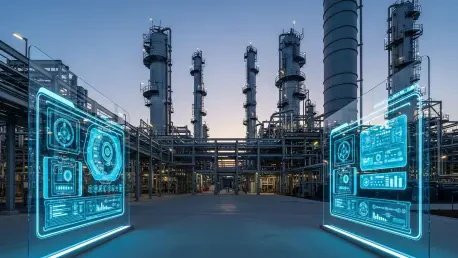

Modern industrial landscapes are currently witnessing a seismic shift as chemical engineering simulation software moves from being a specialized niche tool to a foundational pillar of global manufacturing operations. This evolution is fundamentally rooted in the broader push for industrial modernization, where traditional, often siloed workflows are being replaced by highly integrated digital ecosystems that prioritize data-driven decision-making. As industrial facilities across the globe embrace these transformative changes, the market for simulation software is expanding not just in its financial valuation, but also in its technological sophistication. By creating precise virtual representations of physical chemical assets, these platforms allow organizations to test complex reactions and equipment performance without the significant financial risks or physical hazards associated with real-world experimentation. Consequently, the transition toward smart manufacturing has turned what was once a design-focused instrument into a dynamic, real-time operational asset that supports the entire lifecycle of a chemical plant. This overarching shift represents a critical moment for the industry, as the ability to model and optimize processes in a virtual environment becomes the primary differentiator between market leaders and those struggling with legacy inefficiencies. The momentum gained in 2026 suggests that this digital integration is no longer a luxury for elite firms but a standard requirement for any enterprise seeking to survive in an increasingly competitive global market.
Financial Trajectory: The Path to Multi-Billion Dollar Valuation
The financial outlook for the chemical engineering simulation software market indicates a trajectory of consistent and robust expansion through the middle of the next decade. Based on established market data, the global valuation reached approximately $1.06 billion in 2025 and has continued its upward climb to hit $1.15 billion during the current 2026 fiscal cycle. This steady growth is expected to persist, with projections placing the market at a total value of $1.24 billion by 2027, eventually culminating in a valuation of $2.28 billion by 2035. This long-term expansion is supported by a Compound Annual Growth Rate of 7.91%, reflecting a deepening reliance on digital tools within the manufacturing sector. Rather than being driven solely by inflation or rising software licensing fees, this financial trend highlights a fundamental change in how chemical manufacturers allocate their capital. Digital process modeling is increasingly viewed as a necessary operational investment that offers a high return on investment through optimized resource utilization and reduced waste. As firms continue to navigate a volatile global economy, the consistent increase in market value underscores the strategic importance of simulation in maintaining a competitive edge. This financial robustness provides a clear signal to investors and stakeholders that the digitization of the chemical sector is accelerating at a pace that justifies long-term commitment to these advanced computational technologies.
Beyond the raw numbers, the steady climb in market valuation is indicative of a broader adoption of simulation tools across different tiers of the manufacturing hierarchy. While large multinationals were the first to implement these technologies, the democratization of software has allowed smaller players to enter the fold, contributing to the overall market volume. The projected growth to $2.28 billion by 2035 is also a reflection of the increasing complexity of modern chemical products, which require more sophisticated modeling to ensure quality and yield. The energy sector and the pharmaceutical industry, in particular, are expected to be major contributors to this financial surge as they transition toward more sustainable and personalized production methods. As these industries invest more heavily in simulation, the software providers themselves are reinvesting into research and development, creating a virtuous cycle of innovation and economic expansion. This financial landscape is further bolstered by the rising demand for subscription-based software-as-a-service models, which provide companies with more flexible ways to manage their digital infrastructure costs. By lowering the barrier to entry through modular pricing, software developers have ensured that the market remains resilient even during periods of broader economic uncertainty. The financial data serves as a compelling narrative of an industry that is rapidly maturing and becoming indispensable to the global supply chain.
Smart Manufacturing: The Integration of the Digital Thread
The primary driver behind the current market expansion is the global transition toward Industry 4.0 and the widespread implementation of smart manufacturing protocols. Currently, over 72% of large industrial facilities have integrated simulation tools into their core process design and operational planning phases. This movement allows companies to create what is known as a “digital thread,” which effectively connects every stage of the production cycle from the initial conceptual design to the final decommissioning of the asset. By maintaining this continuous stream of digital information, engineers can ensure that the design intent is preserved throughout the physical life of the plant. This approach represents a significant departure from legacy manual oversight, where information was often lost between different departments or stages of a project. The move toward automated, data-driven management systems is not just a trend but a fundamental restructuring of how industrial assets are managed. As a result, 66% of industrial facilities are actively increasing their investments in digital production systems, signaling a clear shift away from traditional reactive management. This investment is aimed at creating more resilient and transparent supply chains that can adapt to changing market conditions in real-time, using simulation as the guiding intelligence for these complex adjustments.
The transition toward digital engineering also enables a higher degree of collaboration between global teams, which is essential in today’s interconnected chemical industry. When a simulation model serves as the single source of truth for a project, engineers located in different geographic regions can work on the same virtual asset simultaneously, reducing the likelihood of errors and miscommunications. This level of synchronization is particularly vital for the construction of large-scale, complex facilities like ethylene crackers or refinery complexes, where thousands of variables must be aligned. By utilizing simulation to create a digital thread, companies can also improve their maintenance strategies, as the software can predict how wear and tear will affect equipment performance over time. This foresight allows for proactive interventions that prevent costly unscheduled shutdowns, further justifying the initial investment in high-end simulation platforms. As more facilities reach higher levels of digital maturity, the role of simulation will only expand, eventually encompassing the full spectrum of industrial activities. This paradigm shift toward smart manufacturing is essentially rewriting the rules of chemical engineering, making the ability to manage a digital twin as important as the ability to manage the physical plant itself. The ongoing integration of these technologies ensures that the chemical industry remains at the forefront of the global digital revolution.
Operational Excellence: Maximizing Productivity and Efficiency
In the modern chemical industry, efficiency is no longer just a goal but a survival mandate that determines the long-term viability of a manufacturing facility. Simulation software has become the primary tool for achieving this mandate, allowing engineering teams to identify bottlenecks and optimize resource utilization before a single gallon of chemical is ever processed. Data from the current market indicates that improvements supported by simulation can increase plant productivity by up to 30% and improve overall production efficiency by as much as 35%. These gains are achieved by modeling the flow of materials and energy through a system, identifying areas where waste can be minimized and output can be maximized. For example, simulation can help engineers determine the optimal temperature and pressure settings for a reactor to achieve the highest possible yield with the lowest amount of raw material. This level of precision was historically difficult to achieve through trial and error, which often involved expensive and time-consuming physical testing. By moving these experiments into a virtual environment, companies can iterate much faster, accelerating their path to operational excellence. This capability is particularly critical for specialty chemical manufacturers who must frequently change their production lines to accommodate different products and customer requirements.
Beyond just increasing output, simulation software is also proving to be a vital instrument for reducing the energy footprint of industrial operations. Recent industry reports show that these tools have been instrumental in lowering energy consumption by approximately 25% across various sectors. In an era of rising utility costs and increasingly strict environmental regulations, the ability to optimize energy use is a significant economic and strategic advantage. Simulation allows engineers to design more efficient heat exchange systems and recover waste heat that would otherwise be lost to the environment. This not only lowers the operational costs of the plant but also helps the organization meet its sustainability goals, which are becoming a major focus for investors and regulators alike. Furthermore, by improving the overall efficiency of the production process, companies can reduce the amount of greenhouse gas emissions associated with their activities. This dual benefit of cost reduction and environmental stewardship is a powerful motivator for the adoption of simulation software. As the chemical industry continues to face pressure to do more with less, the role of simulation in driving operational excellence will only become more prominent. The ability to squeeze every possible bit of value out of a production line is what will define the industry leaders in the years leading up to 2035.
Safety Protocols: Proactive Hazard Management in Virtual Space
Process safety remains the absolute top priority for the chemical industry, and simulation software is playing an increasingly critical role in ensuring that facilities operate without incident. Currently, nearly 63% of engineering teams utilize simulation platforms specifically for conducting safety studies and hazard assessments. By modeling “what-if” scenarios, engineers can predict how a plant will respond to various abnormal conditions, such as equipment failure, power outages, or runaway chemical reactions. This proactive approach allows facilities to identify potential hazards in a virtual environment before they ever manifest in the physical world. For instance, simulation can be used to size relief valves and other safety equipment properly, ensuring that they can handle the maximum possible pressure surge during an emergency. This level of detailed analysis provides a layer of protection that was previously unattainable, significantly reducing the operational risks associated with complex chemical processing. As global safety standards become more stringent, the use of simulation for safety verification is transitioning from a best practice to a mandatory requirement for obtaining operating permits and insurance coverage.
The ability to train operators in a virtual environment also contributes significantly to the overall safety profile of a modern chemical plant. By using high-fidelity simulations, companies can create realistic training scenarios that allow operators to practice their response to emergencies without any real-world consequences. This “flight simulator” approach for chemical plants ensures that the staff is well-prepared to handle unexpected events, reducing the likelihood of human error during a crisis. Statistics show that plants that utilize simulation-based training report fewer accidents and a higher level of operational readiness among their personnel. Moreover, simulation helps in the development of more effective standard operating procedures, as engineers can test different startup and shutdown sequences to find the safest possible path. This comprehensive focus on safety through simulation not only protects the lives of the workers and the integrity of the environment but also safeguards the company’s reputation and financial assets. In the event of a regulatory audit, having a detailed simulation-based safety study provides clear evidence that the organization has taken all necessary precautions to prevent accidents. This proactive management of risk is essential for maintaining the public’s trust in the chemical industry as it continues to expand into more complex and high-pressure production methods.
Environmental Stewardship: Modeling Sustainable Industrial Pathways
Environmental stewardship has evolved from a secondary social goal into a core operational requirement for chemical manufacturers across the globe. Today, approximately 60% of chemical plants are leveraging simulation tools to evaluate strategies for reducing their environmental impact and calculating their total carbon footprints. These platforms allow engineers to test the viability of greener chemical pathways and assess the environmental consequences of different production methods before they are implemented. For example, simulation can be used to model the lifecycle of a product, identifying the stages where emissions are highest and finding ways to mitigate them. This trend is particularly dominant in the European market, where strict climate mandates like the Green Deal are forcing companies to rethink their traditional operations. However, the move toward sustainability is gaining significant ground globally as companies recognize that being “green” is often synonymous with being efficient. By using simulation to optimize resource use and minimize waste, companies can simultaneously improve their environmental performance and their bottom line. This convergence of economic and environmental interests is a powerful driver for the continued adoption of advanced modeling tools.
Furthermore, simulation is becoming an essential tool for the development of new, more sustainable materials and energy sources. Engineers are using these platforms to design and optimize processes for carbon capture and storage, as well as for the production of hydrogen and other biofuels. The complexity of these emerging technologies requires the high-level computational power that only simulation software can provide. By modeling the chemical absorption of carbon dioxide or the electrolysis of water at a molecular level, researchers can accelerate the development of clean energy solutions. This ability to innovate rapidly is crucial for the chemical industry as it seeks to play a leading role in the global transition to a low-carbon economy. Additionally, simulation helps companies comply with increasingly complex environmental reporting requirements by providing the data needed for Environmental, Social, and Governance (ESG) disclosures. Investors are increasingly looking at these metrics when making funding decisions, making the use of simulation a key factor in a company’s ability to attract capital. As the regulatory landscape continues to evolve, the integration of environmental modeling into the standard engineering workflow will become a permanent fixture of the industry. The successful chemical companies of the future will be those that can prove their sustainability through rigorous, simulation-backed data.
Technological Megatrends: The Shift to Cloud and AI Integration
The transition from traditional on-premises software installations to cloud-based deployment is perhaps the most defining technological trend in the current simulation market. Approximately 55% of organizations have now adopted cloud-based simulation environments, attracted by the superior collaboration features and the massive computational power that the cloud offers. This scalability allows for the execution of complex, high-fidelity simulations that would have previously required prohibitively expensive local hardware. For global engineering teams, the cloud provides a centralized platform where data can be shared and analyzed in real-time, regardless of the physical location of the team members. This shift has also changed the economic model of the software, moving toward subscription services that provide constant access to the latest updates and features. By eliminating the need for heavy upfront investments in server infrastructure, cloud-based solutions have made advanced simulation tools more accessible to a wider range of companies, including smaller firms that were previously priced out of the market. This democratization of technology is a key factor in the sustained growth of the market as we approach the end of the decade.
In addition to the cloud, Artificial Intelligence is rapidly becoming a standard feature within chemical engineering simulation platforms. More than 52% of engineering organizations are currently investing in AI-enabled tools to enhance their predictive capabilities and automate routine modeling tasks. AI algorithms can analyze vast amounts of historical data to refine simulation models over time, providing prescriptive analytics that suggest the best parameters for achieving specific production outcomes. This synergy between traditional physics-based simulation and modern data science allows for a much deeper understanding of complex chemical processes. For instance, AI can help identify subtle patterns in reactor performance that might be missed by human engineers, leading to incremental improvements that can result in millions of dollars in savings. As these AI models become more sophisticated, they will increasingly be used to automate the optimization process itself, allowing the software to find the most efficient operating conditions without human intervention. This move toward “self-optimizing” plants represents the next frontier of chemical engineering, where the software acts as a proactive partner in the management of the facility. The integration of AI and cloud computing is essentially creating a more intelligent and responsive industrial infrastructure that is better equipped to handle the challenges of the modern world.
Virtual Assets: The Rise of the Digital Twin in Operations
The rise of the “Digital Twin” represents a critical development in the field of chemical engineering, with nearly 47% of advanced facilities now integrating simulation software into these living virtual models. Unlike a static simulation used during the design phase, a digital twin is continuously updated with real-time data from sensors located throughout the physical plant. This connection creates a bidirectional flow of information, where the virtual model reflects the current state of the asset and can be used to predict future performance. This integration is particularly valuable for predictive maintenance, as it allows operators to identify potential equipment failures, such as heat exchanger fouling or pump wear, before they lead to significant downtime. By running simulations in parallel with actual operations, companies can compare the real-world data with the predicted performance to identify any deviations that might indicate an underlying issue. This proactive monitoring capability significantly improves the reliability and availability of the plant, ensuring that production targets are met consistently. As sensor technology and connectivity continue to improve through the expansion of the Industrial Internet of Things, the accuracy and utility of digital twins will only increase.
Virtual plant operations are also gaining significant traction as companies use simulation to “test-drive” process changes and accelerate the development of new products. Roughly 45% of engineering teams now use simulation-driven workflows to reduce the time-to-market for new materials and specialty chemicals. This ability to innovate rapidly provides a major competitive advantage in fast-moving sectors like pharmaceuticals and advanced polymers, where being first to market can lead to significant revenue gains. By simulating the scale-up process from the laboratory to commercial production, companies can identify potential issues early and avoid the costly delays associated with pilot plant failures. Furthermore, the democratization of these tools is ongoing, with software providers focusing on creating more user-friendly interfaces that incorporate visual programming and drag-and-drop features. This focus on the user experience is designed to lower the barrier to entry and help younger engineers become productive more quickly, addressing the industry’s ongoing talent shortage. As these virtual tools become more intuitive, they will be used by a broader range of personnel, from plant operators to business managers, further integrating simulation into the fabric of the organization. The era of the digital twin is essentially blurring the lines between the virtual and physical worlds, creating a new paradigm for how industrial assets are operated and maintained.
Segmental Dynamics: Enterprise Needs and the Rise of SMEs
The chemical engineering simulation market is clearly bifurcated by deployment type, with cloud-based solutions currently leading the charge in terms of growth and adoption. In 2025, cloud solutions held a market size of $0.62 billion, representing a 58% share of the total market, and they are projected to grow at a CAGR of 8.35% over the next several years. This preference for the cloud is driven by the need for remote accessibility and the ease of software updates, which are essential for modern, globalized engineering teams that require constant collaboration. On-premises solutions, while growing at a slightly slower CAGR of 7.31%, remain a vital segment of the market, particularly for industries that prioritize data security and local control. Valued at $0.44 billion in 2025, this segment is preferred by organizations in high-stakes sectors like defense or proprietary pharmaceuticals, where data cannot leave an internal network for security or regulatory reasons. Despite the overwhelming trend toward the cloud, the persistent need for air-gapped, highly secure simulation environments ensures that on-premises deployment will remain a relevant and necessary option for a significant portion of the market for the foreseeable future.
Large enterprises currently dominate the market from a revenue perspective, accounting for 65% of total sales with a valuation of $0.69 billion in 2025. Their expansive manufacturing footprints and complex, multi-stage production systems require the high-end, integrated simulation suites that are capable of managing large-scale digitalization initiatives. This enterprise segment is expected to grow at a CAGR of 8.02% as these companies continue to invest heavily in “smart factory” infrastructure and the integration of their global supply chains. However, Small and Medium-Sized Enterprises (SMEs) represent a significant and rapidly growing area of the market, currently holding a 35% share. With a projected CAGR of 7.72%, SMEs are increasingly adopting simulation as software providers introduce more affordable, modular, and “lite” versions of their flagship platforms. This allows smaller firms to improve their design accuracy and operational efficiency without the massive capital expenditure that was previously required for full-scale enterprise software suites. This expansion into the SME space is a critical component of the market’s overall growth strategy, as it broadens the customer base and encourages innovation across the entire industrial ecosystem. As simulation becomes more accessible, it is leveling the playing field, allowing smaller, more agile companies to compete with larger established players on the basis of technological sophistication and product quality.
Regional Expansion: Global Powerhouses and Emerging Markets
North America remains the undisputed technological leader in the chemical engineering simulation market, with a projected share of 35% and a total value of $0.40 billion by the end of 2026. The region’s growth is fueled by a massive push toward industrial automation and the presence of some of the world’s most influential software developers. In the United States, 68% of major industrial facilities use simulation for optimization, with a significant and growing focus on integrating these tools into advanced predictive maintenance programs. This high level of adoption is supported by a robust ecosystem of research institutions and a workforce that is highly skilled in digital engineering. Europe follows closely with a 29% global share, projected to reach $0.33 billion by 2026. The European market is uniquely characterized by its strict regulatory frameworks and a very strong focus on environmental sustainability. Approximately 62% of manufacturers in the region use simulation primarily to monitor their environmental impact and optimize resource use, aligning their operations with mandates like the European Green Deal. This regional focus on “green simulation” is driving the development of new software features that specifically address carbon management and circular economy principles, making Europe a key hub for sustainable industrial innovation.
The Asia-Pacific region is the world’s most dynamic expansion powerhouse, expected to reach a market value of $0.31 billion by 2026 with a 27% global share. Rapid industrialization in countries like China, India, and South Korea is driving the construction of massive new “mega-plants” that require the most advanced simulation tools for both their initial design and their ongoing operation. Around 58% of major facilities in this region are currently implementing these tools to modernize their infrastructure and boost their overall productivity to meet the demands of a growing middle class. The scale of the industrial projects in Asia-Pacific provides a unique testing ground for new simulation technologies, particularly those involving large-scale integration and real-time optimization. Meanwhile, the Middle East and Africa region holds a 9% share of the market, with a heavy focus on the petrochemical and oil and gas sectors. Valued at $0.11 billion for the 2026 period, the market in this region is supported by ambitious national diversification initiatives. Traditional oil-producing nations are investing heavily in downstream chemical processing to add value to their raw petroleum exports, using simulation to plan and manage these increasingly complex and high-value production cycles. This regional diversity ensures that the simulation market is not dependent on any single economy, but is instead supported by a broad base of global industrial activity.
Operational Challenges: Navigating Complexity and the Talent Gap
Despite the robust growth and the clear benefits of adoption, high implementation complexity remains a significant hurdle for many companies, especially those in the SME sector. Nearly 46% of smaller firms identify the complex configuration requirements of simulation software as a primary barrier to its adoption. These platforms are not simple “plug-and-play” solutions; they require a deep and nuanced understanding of physics, chemistry, and thermodynamics to accurately match the specific conditions of a physical plant. For many organizations, the process of calibrating a model to reflect the actual performance of their equipment is a daunting and time-consuming task. This challenge is often compounded by the fact that many facilities are operating with legacy equipment that lacks the digital sensors needed to provide accurate input data for the simulation. As a result, companies must often invest in hardware upgrades before they can fully realize the benefits of the software, adding to the overall cost and complexity of the project. To address this, software providers are working to develop more automated calibration tools and pre-configured templates for common industrial processes, but the inherent complexity of chemical engineering means that expert human oversight will always be required.
A notable and persistent “skills gap” also exists within the industry, with 43% of users reporting that they require specialized and often expensive training to use the more advanced features of simulation platforms. The demand for experienced simulation professionals currently outstrips the supply, making it difficult and costly for some organizations to maintain the necessary in-house expertise. This labor shortage can lead to significant delays in the deployment of new software and the underutilization of its most powerful features, limiting the return on investment for the company. Furthermore, the rapid pace of technological change means that even experienced engineers must constantly update their skills to keep up with the latest developments in AI and cloud computing. This necessitates a long-term commitment to professional development and a culture of continuous learning within the organization. Data accuracy and model validation also remain critical concerns, as the value of a simulation is entirely dependent on the quality of the data it processes. Nearly 51% of engineering professionals cite poor data quality as a factor that negatively affects simulation performance, requiring extra investment in data cleaning and model calibration. Ensuring that the virtual results actually align with real-world observations is an ongoing challenge that requires rigorous testing and a high degree of technical precision.
Strategic Integration: The Convergence of Simulation and Data
The evolution of chemical engineering simulation effectively provided the industry with a roadmap for navigating the complexities of modern manufacturing. Organizations that prioritized the integration of these digital tools during the mid-2020s positioned themselves to capture the full benefits of Industry 4.0, while those that delayed adoption faced increasing operational challenges. Moving forward, the industry learned that data accuracy and model validation were the most critical factors in achieving reliable simulation outcomes, necessitating a shift toward more robust data governance strategies. Furthermore, the convergence of simulation software with the Industrial Internet of Things and Artificial Intelligence transformed static models into living digital twins that offered unparalleled insights into plant performance. To fully capitalize on these developments, decision-makers recognized the importance of bridging the technical skills gap by investing in comprehensive training programs for their engineering teams. This proactive approach to workforce development, combined with the strategic deployment of cloud-based simulation platforms, enabled companies to respond with agility to changing market demands. Ultimately, the successful implementation of these technologies required a holistic view of the industrial lifecycle, ensuring that digital investments translated into measurable gains in productivity, safety, and environmental sustainability.
By the time the market reached its predicted milestones, the relationship between the physical and digital worlds had become inseparable for the world’s leading chemical producers. The use of simulation for regulatory compliance and environmental reporting had moved from being a burden to a strategic advantage, providing a clear and transparent way to communicate performance to stakeholders. Moreover, the focus on user experience and the democratization of software allowed for a more diverse range of engineers to contribute to the optimization process, fostering a new culture of innovation. As companies looked toward 2035 and beyond, the foundation laid by these simulation tools allowed for the exploration of entirely new chemical frontiers, including the development of advanced biofuels and carbon-neutral materials. The integration of prescriptive AI also meant that plants could operate with a level of autonomy that was previously thought to be impossible, further driving down costs and increasing safety. The history of this market expansion demonstrated that the successful adoption of technology was not just about the software itself, but about the strategic alignment of people, processes, and data. This comprehensive approach ensured that the chemical industry remained a vital and resilient part of the global economy, capable of meeting the challenges of a rapidly changing world.