
The global market dynamics for business operations have rapidly shifted from static physical presence into a highly dynamic and synchronized digital ecosystem that demands constant innovation and adaptability. Organizations that once relied on proximity and manual oversight now find themselves

The traditional Monday morning ritual of scrolling through endless rows of static spreadsheets often feels like an exercise in forensic archaeology rather than a strategic business exercise. In the fast-moving landscape of 2026, the demand for agility has rendered the classic, manual reporting
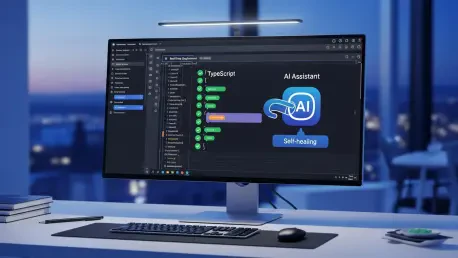
The traditional method of managing software deployments through rigid configuration files has increasingly become a bottleneck for modern engineering teams striving for agility. For years, developers have been forced to navigate a fragmented landscape of third-party tools, external repositories,

While the global consensus on the absolute necessity of Application Programming Interface stability remains unchallenged, a profound disconnect often persists between the engineering desire for high-quality software and the operational reality of brittle, unmaintained test suites. In the

The rapid evolution of software engineering has reached a critical juncture where the traditional boundaries between human ingenuity and machine execution are blurring beyond recognition. As organizations transition from basic AI code assistants to fully autonomous software agents, the necessity

The modern professional manages an average of thirty distinct software applications daily, creating a fragmented workflow that often feels more like a burden than a benefit to actual productivity. Automation has transitioned from a niche luxury reserved for developers into a fundamental necessity