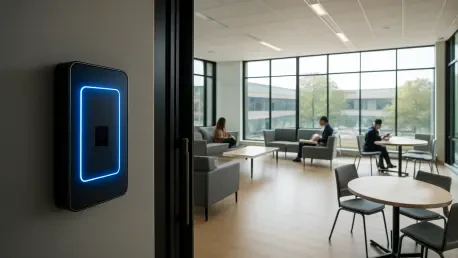

The implementation of a smartphone-based entry system has effectively restricted access to high-traffic communal areas to authorized residents only. Student housing managers have long grappled with the logistical nightmare of physical keys and the constant threat of unauthorized intruders frequenting study lounges or gyms. By adopting a modern digital approach, the site has successfully transitioned from outdated mechanical locks to a sophisticated electronic infrastructure. This change addresses the specific vulnerabilities of high-density living where the flow of people is constant and often difficult to track. Residents now utilize their mobile devices as primary credentials, ensuring that only those with active leases can penetrate the perimeter. This technological shift does more than just lock doors; it creates a documented audit trail that enhances the overall safety profile of the property. Management can now respond in real-time to security incidents, ensuring that the living environment remains exclusive and secure for the student population at all times.
Streamlining Residential Access Control: Efficiency through Modernization
The decision to utilize the Paxton Solo system stemmed from a need for a solution that was both robust and incredibly simple for the end-user to operate. In the fast-paced environment of a modern university residence, students expect seamless interactions with their surroundings, and any friction in entering their own homes can lead to frustration or security workarounds like propped doors. The Solo system eliminates these issues by providing a standalone access control solution that does not require complex local server architecture. This makes it particularly suitable for smaller to mid-sized housing blocks or specific high-security zones within a larger campus. For the installation team, the simplicity of the hardware meant that the transition could be completed with minimal disruption to the residents’ daily lives. By focusing on a user-centric design, the facility has seen a marked increase in compliance with security protocols. Residents are less likely to share digital credentials than physical keys.
Beyond the immediate benefits to residents, the administrative advantages for property managers are substantial. Traditional key management often involves a constant cycle of re-keying locks and cutting new physical copies, which is both expensive and time-consuming. With the implementation of electronic credentials, the management team can grant or revoke access instantly via a management application. This is particularly useful during the high-turnover periods at the beginning and end of academic semesters when hundreds of students move in and out simultaneously. The ability to automate these permissions saves hundreds of labor hours annually, allowing staff to focus on more critical maintenance and tenant relations tasks. Furthermore, the system provides a level of accountability that was previously impossible. If a common room is vandalized or an unauthorized party is held, the entry logs provide clear evidence of who was present in the vicinity at the specific time of the incident.
Strategic Implementation: Insights for Facility Security
Reflecting on the successful deployment of this modernization project provides several actionable insights for other property managers facing similar security challenges. The most significant takeaway was the importance of selecting a technology that aligns with the lifestyle of the target demographic. By choosing a mobile-first credential system, the administration capitalized on the existing habits of students, which led to a near-instantaneous adoption rate and minimal training requirements. Property owners should prioritize systems that offer a balance between high-level security and user convenience to prevent residents from bypassing security measures. Additionally, the transition highlighted the necessity of a phased implementation plan. Starting with the most vulnerable areas allowed the team to refine their management processes before a full-site rollout. This methodical approach ensured that any minor technical hurdles were addressed early on, preventing any widespread disruption for the residents of the housing complex.
In conclusion, the modernization of the student housing site through the Paxton Solo system established a new standard for residential security in the current landscape. The project demonstrated that advanced access control did not have to be overly complex or difficult to manage. Administrators found that by centralizing their control over physical entry points, they improved both the safety and the operational efficiency of the entire facility. The data gathered from the initial months of operation proved that unauthorized access was virtually eliminated, while student satisfaction scores regarding facility safety increased significantly. The successful integration of mobile credentials served as a catalyst for further digital transformations across the property. Moving forward, the facility operators planned to leverage this infrastructure to incorporate more smart building features, such as energy-efficient lighting. This proactive stance on technology adoption protected the residents and enhanced the marketability and the overall value of the site.