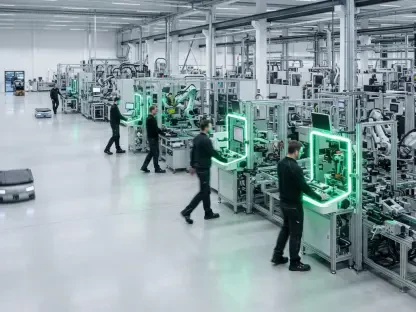

The rapid convergence of sophisticated generative models and industrial-scale data systems has fundamentally altered the professional trajectory of the data engineer in 2026. This shift marks the definitive end of the era where manual coding was the primary measure of an engineer's productivity,

By utilizing the Microsoft Fabric Capacity Metrics app, administrators can independently monitor AI service usage and Spark compute costs to maintain transparent financial oversight of their operations. In the modern business environment, the primary challenge often lies in bridging the gap between

The moment a multi-billion dollar healthcare insurer decides to move its legacy core to the cloud, it isn't just fighting code; it is wrestling with the ghosts of twenty years of compliance audits and the regex-driven muscle memory of thousands of employees. In the current landscape of 2026, the

The implementation of specialized software allows Clay County to replace disjointed note-taking with a systematic digital framework that automates the documentation process. This evolution represents a fundamental shift in how the local government interacts with its own historical data and its

The mismatch between a developer's universal interface view and the reviewer's specific hardware layout can cause unnecessary failures under Guideline 2.1(b). While the primary goal of any software release is to provide value to the end-user, the gatekeeping mechanism of the App Store necessitates

Linking qualitative feedback from help tickets directly to session replays transforms vague user complaints into actionable bug reports for engineering teams. In the high-stakes environment of software-as-a-service (SaaS) in 2026, the traditional reliance on aggregate data is no longer sufficient