
Hardened CUI laptops and specialized networking equipment form the physical foundation of a secure enclave designed to protect sensitive Department of Defense information. This infrastructure marks a significant departure from the fragmented security attempts that previously characterized the defense industrial base’s response to regulatory pressures. Integration Technologies Group has introduced SENTRE as a direct answer to the mounting complexity of the Cybersecurity Maturity Model Certification requirements. By shifting away from the traditional model where each contractor attempts to build a custom solution from the ground up, this managed service provides a pre-configured environment that handles the heavy lifting of protecting controlled unclassified information. The goal is to allow contractors to achieve assessment readiness in under five months, a timeline that was once thought impossible for the rigorous Level 2 standards that now govern the industry. This streamlined path allows organizations to maintain their focus on mission-critical deliverables while a dedicated partner manages the security posture.
The Technical Architecture: Building a Secure Enclave
Physical Infrastructure and Endpoint Security
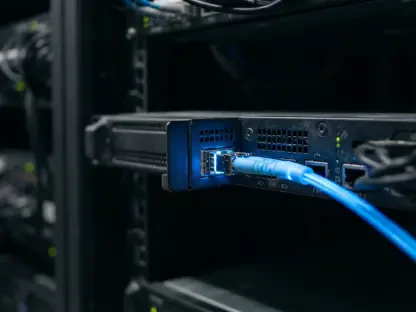
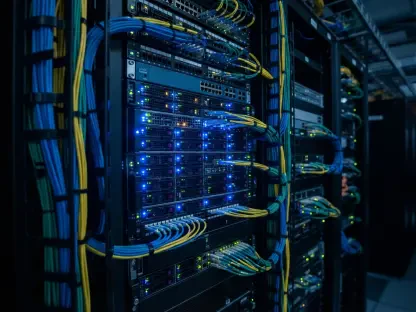
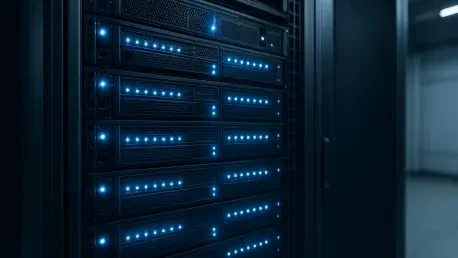
The core of the SENTRE hardware strategy involves the deployment of a dedicated, on-premises CUI enclave that functions independently of the contractor’s primary business network. This physical isolation is a critical component for achieving Level 2 certification, as it creates a clear boundary that simplifies the scope of security assessments. Within this enclave, the system utilizes high-performance servers and specialized networking equipment that are pre-configured to meet the 110 NIST SP 800-171 practices. Every endpoint, including hardened laptops and workstations, comes equipped with full-disk encryption and sophisticated endpoint protection suites. By maintaining a localized stack, contractors ensure that sensitive Department of Defense information never leaves the facility without proper authorization. This on-premises model is particularly advantageous for organizations that require absolute control over their physical assets while still benefiting from a managed service framework.
Digital Integration: The Role of the CENTRE Platform
Beyond the physical infrastructure, the system utilizes the CENTRE software platform to automate daily operations and compliance tracking. This platform serves as a central system of record, integrating essential business functions like contract management and HR into a unified environment. By automating the generation of audit evidence through routine workflows, the platform ensures that centralized logging and incident response are always active and documented. This approach eliminates the need for manual data collection, which is often the primary source of failure during a formal assessment. The software is designed to provide real-time visibility into the security posture of the enclave, allowing administrators to identify and remediate potential vulnerabilities before they can be exploited. Furthermore, the integration of these operational modules ensures that every transaction involving sensitive data is captured in a tamper-proof log, providing a transparent audit trail that meets the most stringent requirements of the Department of Defense.
Operational Success: Achieving Assessment Readiness
Workflow Synchronization: Security as an Operational Byproduct
The true power of the SENTRE solution lies in its ability to embed compliance into standard business processes through seven distinct operational modules. These modules cover everything from change management to supply chain oversight, ensuring that every action taken within the organization adheres to the established security protocols. This “compliance by design” philosophy means that audit trails and version-controlled security plans are created automatically as staff perform their daily tasks. For instance, the change management module ensures that every configuration modification has full traceability and impact analysis, while the document control module serves as a secure repository for the system security plan. This integration reduces the risk of human error and maintains the organization in a constant state of readiness for a Third-Party Assessment Organization. By making security a byproduct of operational efficiency, the system removes the administrative burden that has historically hindered small and medium-sized defense contractors.
Strategic Evolution: The Path to Sustainable Compliance
The introduction of SENTRE represented a turning point for contractors who had previously struggled to reconcile operational demands with the stringent requirements of CMMC Level 2. By moving away from fragmented security tools and adopting a holistic, managed enclave, organizations finally bridged the gap between daily productivity and regulatory oversight. The success of this model was largely attributed to the shift toward shared responsibility, which allowed defense firms to inherit a validated security blueprint. For organizations looking to secure their position in the federal marketplace, the immediate next step involved moving beyond manual tracking and embracing automated systems of record. This transition not only ensured audit readiness but also established a foundation for long-term cyber resilience. Those who adopted these turnkey solutions were better positioned to compete for high-value contracts without the looming threat of assessment failure. The path forward now emphasizes continuous monitoring as the standard.