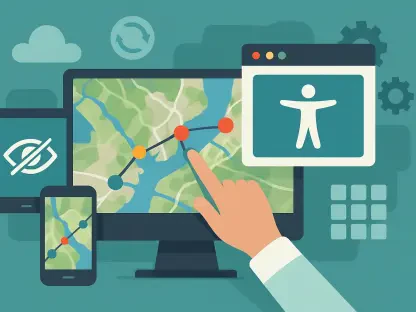

The rapid transition from manual code construction to high-level system orchestration has fundamentally altered the daily reality of software engineering, moving the industry toward a standard of "tenfold" delivery velocity. Rather than spending hours debating syntax or hunting for missing
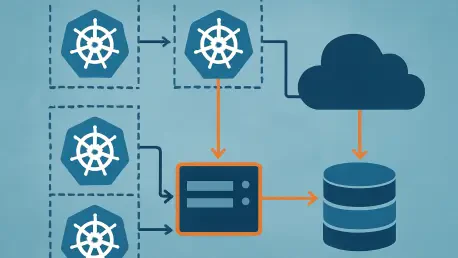
The relentless pursuit of horizontal scalability has inadvertently created a massive context gap where stateless application layers often lose track of the very data they just modified. This architectural friction between ephemeral Kubernetes pods and persistent cloud databases has become the

In the current competitive landscape, technical brilliance often remains trapped behind the firewall of a single corporation, leaving even the most gifted engineers functionally invisible to the broader global market. This phenomenon creates a silent professional ceiling where growth is dictated by

The software quality assurance landscape is currently undergoing a definitive transition that redefines how engineering teams approach the validation of interconnected systems. This shift marks a move away from manual-heavy, legacy processes toward a modern ecosystem defined by artificial

The technological landscape of 2026 has witnessed an unprecedented transformation where natural language serves as the primary syntax for complex architectural software design. Generative AI has moved from a novelty to a necessity, enabling creators to manifest digital products through

The modern research landscape is no longer defined by the scarcity of information but by the sheer density of fragmented data points scattered across thousands of technical documents and digital repositories. Navigating this ocean of information requires more than simple keyword matching; it