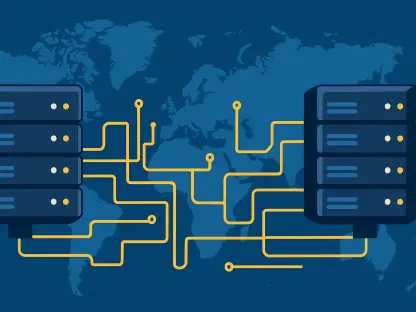

The modern digital landscape operates on a foundation of invisible architecture that sustains almost every transaction, communication, and technological advancement in existence today. This digital infrastructure is predominantly built upon open-source software, yet a staggering ninety-six percent

While many anticipated a consumer-grade wearable, OpenAI delivered a high-end niche productivity tool focused entirely on the needs of the professional developer community. This move into the hardware market materialized through a collaboration with the boutique peripheral manufacturer Work Louder,
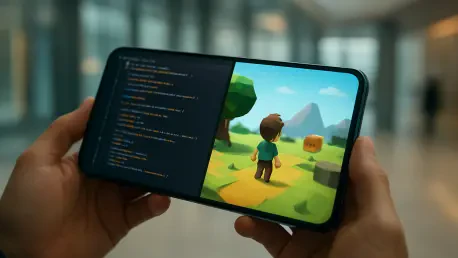
The transition from writing syntax to managing intent represents a fundamental change in how software is created, effectively lowering the technical barrier for non-programmers using mobile hardware. This evolution finds its most striking expression in Gotcha, an agentic system that reimagines the

Giving an artificial intelligence its own virtual environment and mouse control necessitates a three-tier visibility system to balance user oversight with agent autonomy. This fundamental shift marks the transition from ephemeral, session-based chatbots to persistent digital entities that inhabit a
The tension between rapid technological innovation and the necessity of alignment remains the defining narrative of the recent GPT-6 Astra rollout. For years, the global tech community anticipated a model that could go beyond simple text generation to perform complex, multi-step actions across

Optimizing the mapping between a task's specific resource profile and real-time GPU availability is essential for maintaining throughput in complex computing environments. As high-performance computing transitions away from the limitations of traditional central processing units, the industry has