
The ongoing tension between driver safety regulations and the desire for in-vehicle entertainment has led to the creation of unofficial software that lacks standard stationary-only locks. As drivers increasingly demand that their vehicle infotainment systems mirror the capabilities of their smartphones, the gap between official software limitations and user expectations has widened significantly. This friction is most evident in the Apple CarPlay ecosystem, where the absence of a native YouTube application has frustrated users for years. In response to this market void, an ambitious open-source initiative known as YouDash has emerged to provide a community-driven alternative to the restrictive walled gardens of major tech corporations. This project serves as a clear indicator of a shifting automotive landscape where independent developers are taking the lead in defining the boundaries of digital mobility. By leveraging native frameworks instead of unreliable screen-mirroring techniques, the software represents a sophisticated evolution in the quest for a more flexible and immersive in-car multimedia experience.
Understanding the YouDash Technical Framework
Key Features of the Native YouTube Experience
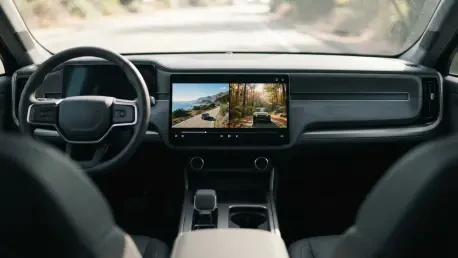
The fundamental objective of the YouDash project is to deliver a robust and native YouTube experience that operates seamlessly within the existing CarPlay interface without the lag often associated with third-party adapters. By utilizing a sophisticated split-screen layout, the application allows users to engage with a desktop-like environment where high-definition video playback occupies the primary view while navigation and playlists remain accessible on the right. This structural organization ensures that the user does not have to constantly cycle through menus to find content, providing a level of fluidity that was previously unavailable to the CarPlay community. Furthermore, the software includes a customized on-screen keyboard that facilitates direct searching from the dashboard, eliminating the need for users to handle their iPhones while parked. This integration moves beyond the basic video-casting methods of the past, offering a comprehensive suite of features that mimics the official application experience found on other smart devices and television platforms.
Beyond the aesthetic improvements, the YouDash framework prioritizes a streamlined content delivery system that removes the intrusive interruptions commonly found in the standard YouTube mobile experience. The application architecture is designed to bypass traditional advertising blocks, ensuring that users can enjoy a continuous stream of educational or entertainment content while their vehicle is stationary. This ad-free environment is not merely a convenience but a core design choice intended to minimize UI clutter and reduce the time a user spends interacting with the screen. The integration of high-fidelity audio synchronization ensures that the sound remains perfectly aligned with the visual output, a common technical hurdle for unofficial streaming solutions. By focusing on these specific performance metrics, the developers have managed to create a tool that feels more like an official Apple-sanctioned utility than a community hack, challenging the established norms of what is possible within the current constraints of modern vehicle firmware and automotive connectivity protocols.
Hardware Adaptability and Interface Design
One of the most impressive technical aspects of YouDash is its ability to adapt to a diverse range of hardware configurations across various vehicle manufacturers. The modern automotive market features an array of screen sizes and aspect ratios, ranging from ultra-wide panoramic displays to traditional portrait-oriented units found in many electric vehicles. To address this fragmentation, the project employs a highly responsive layout engine that automatically recalibrates user interface elements to ensure optimal resolution and touch precision. This means that buttons, progress bars, and search fields are dynamically resized to remain legible and easy to interact with, regardless of the specific display specifications of the car. This level of technical polish is often missing in third-party projects, but YouDash has managed to achieve a high degree of cross-platform stability by utilizing flexible coding structures that prioritize hardware-level communication between the iPhone and the infotainment unit.
In addition to visual scaling, the interface design of YouDash focuses heavily on touch control optimization to ensure the software remains responsive even on older infotainment hardware. Many vehicles utilize resistive touchscreens or slower processors that struggle with heavy web-based applications, but YouDash circumvents these limitations by optimizing the way data is rendered on the screen. The developers have prioritized a clean, intuitive design language that mirrors the minimalism of the broader iOS ecosystem, which helps the app feel like a cohesive part of the vehicle’s existing digital environment. This design philosophy extends to the navigation controls, which are positioned to be within easy reach of the driver or passenger. By focusing on the nuances of human-machine interaction, the project demonstrates a deep understanding of the unique challenges posed by the automotive environment. This approach ensures that the application remains functional and stable across hundreds of different car models, bridging the gap between high-end luxury systems and more mainstream vehicle configurations.
Addressing Installation Barriers and Platform Restrictions
Navigating Complex Setup and Versioning Issues
Despite the impressive technical capabilities of YouDash, the software remains a niche tool for enthusiasts due to the significant barriers associated with its installation. Because the application resides entirely outside the official Apple App Store, users cannot simply download it with a single tap. Instead, the installation process requires a Mac computer and an active developer account to compile the source code from GitHub and manually sideload the application onto an iPhone. This complex requirement effectively limits the user base to those with a certain degree of technical proficiency and the necessary hardware to perform the bypass. Furthermore, the absence of a standard IPA file for easy distribution highlights the precarious legal and technical position that open-source automotive projects occupy. These hurdles serve as a persistent reminder that while the technology exists to improve the CarPlay experience, the ecosystem remains strictly controlled by Apple’s security protocols and corporate policies.
The volatility of the software environment is further complicated by the ongoing versioning conflicts that arise with every new iOS update. Currently, the YouDash project highlights a significant “cat-and-mouse” game between independent developers and Apple’s software engineers. While the application was found to operate successfully on earlier iterations such as iOS 27.0.1, subsequent updates like iOS 27.3 have reportedly introduced security patches that effectively block the unauthorized execution of video frameworks within the CarPlay environment. This situation forces users into a difficult position where they must choose between the latest security features and the continued functionality of their unofficial entertainment apps. This cycle of updates and patches underscores the inherent instability of using third-party solutions that rely on exploits or undocumented APIs. It also illustrates how Apple uses its software update cycle to maintain a tight grip on the user experience, ensuring that only sanctioned applications can access the high-level system permissions required for video streaming.
Safety Considerations and User Responsibility
The emergence of video-capable software for the dashboard inevitably raises serious ethical and safety concerns regarding driver distraction. Both the developers of YouDash and various industry analysts have maintained a consistent stance that such applications must only be utilized while the vehicle is in a stationary position. The potential for a driver to be distracted by a video feed while the vehicle is in motion represents a significant risk to public safety, which is precisely why official versions of these apps have been absent from the market for so long. However, unlike official software being developed by major corporations, open-source projects like YouDash do not always include automated software locks that disable the video feed when the vehicle’s transmission is taken out of “Park.” This lack of inherent restriction places the entirety of the ethical and legal burden on the individual user, who must exercise personal restraint to ensure they are not compromising road safety for the sake of entertainment.
This shift toward personal responsibility reflects a broader trend in the tech-savvy segment of the automotive community, where users are willing to bypass safety guards in exchange for greater control over their hardware. While the developers emphasize that the tool is intended for use during charging sessions for electric vehicles or while waiting in a parking lot, the reality is that the software remains active regardless of vehicle speed. This has led to intense debates within the community regarding the liability of developers who provide the tools that could potentially lead to dangerous behavior. Nevertheless, the popularity of the project suggests that many users view these safety restrictions as overreaching and prefer to manage their own risk. As the digital automotive landscape continues to evolve, the balance between user freedom and regulatory safety standards will remain a central point of contention, with projects like YouDash serving as the catalyst for deeper discussions about the role of technology in modern transportation and driver accountability.
The Evolving Roadmap for Automotive Video
Comparing Apple and Google Integration Strategies
The current state of in-car video entertainment is defined by a clear divergence in strategy between the two dominant players in the industry. Google has taken a more transparent and proactive approach by signaling that native YouTube support is officially coming to Android Auto. This rollout includes a robust safety framework designed to prevent driver distraction while still satisfying user demand for content. Specifically, Google’s implementation features a sophisticated mechanism that detects vehicle movement and immediately transitions the video stream into an “audio-only” mode. This allows users to continue listening to their content as they drive, but ensures the visual distraction is removed as soon as the vehicle begins to move. This strategy effectively bridges the gap between the mobile experience and automotive safety, providing a regulated path for video integration that Apple has yet to match. By offering a standardized solution, Google is positioning Android Auto as a more versatile platform for modern digital lifestyles.
In contrast, Apple has maintained a highly secretive and restrictive stance regarding the introduction of video applications to the CarPlay ecosystem. While technical frameworks for video support were introduced in earlier versions of iOS, the company has refrained from authorizing high-profile third-party apps like YouTube for the CarPlay App Store. Industry observers suggest that Apple is prioritizing a highly vetted and controlled user experience that adheres to the strictest possible safety interpretations. This approach often results in a significant delay for features that are already commonplace on competing platforms. Many analysts believe that official video integration for CarPlay may not arrive until the release of iOS 28, as Apple continues to refine its “stationary-only” protocols and works closely with automakers to ensure seamless integration with vehicle sensors. This conservative roadmap reflects Apple’s broader philosophy of maintaining a walled garden, even if it means moving slower than the open-source community or its primary competitors in the search for a perfect automotive entertainment solution.
Future Outlook for In-Car Entertainment
The rapid development and adoption of projects like YouDash demonstrate a significant market vacuum that tech giants have been slow to address. As vehicles become more like mobile living rooms, particularly with the rise of electric cars that require stationary time for charging, the demand for high-quality video integration will only continue to grow. Open-source developers have proven that the technology is already capable of delivering a polished, responsive, and native experience on existing hardware. This success puts pressure on Apple and Google to accelerate their official roadmaps and provide safer, more accessible alternatives to unofficial hacks. The future of the modern cockpit will likely be defined by a standardized set of rules where “stationary-only” video locks become a universal feature, allowing drivers to enjoy the full breadth of their digital subscriptions without compromising the safety of others on the road. This transition will eventually lead to a more harmonious relationship between the smartphone and the car.
Ultimately, the YouDash project served as a critical proof of concept that influenced the trajectory of official automotive software development. It highlighted the specific features that users value most, such as ad-free viewing and responsive UI design, and forced a conversation about the role of third-party developers in the car. As the industry moved toward the end of the decade, the lessons learned from these independent experiments were integrated into official standards. Regulatory bodies and software manufacturers collaborated to create frameworks that balanced entertainment with rigorous safety checks. This progress ensured that by the time native video became a standard feature in most new models, the technology was both robust and secure. The era of complex sideloading and versioning hacks gradually gave way to a more unified ecosystem where users could safely access the content they loved. This evolution marked a significant milestone in the history of automotive technology, proving that community innovation often paved the way for mainstream progress.