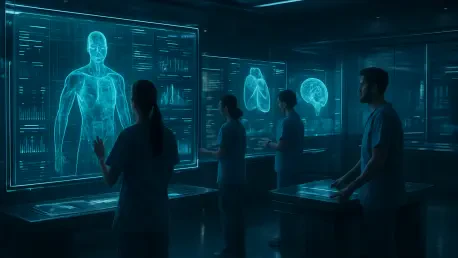

The integration of smart heart monitors allows for proactive alerts that notify medical staff the moment abnormal rhythms or blood sugar spikes are detected. This fundamental shift from reactive to preventive medicine ensures that high-risk patients receive intervention before critical incidents occur. In the current landscape, the healthcare industry has moved beyond simple digitization, embracing custom software that manages the immense complexity of modern clinical data. Diagnostic clinics and hospital networks are increasingly realizing that standard software cannot accommodate the specialized workflows required for precision medicine. By developing bespoke solutions, these organizations are able to bridge the gap between traditional care and a technology-driven future where every data point is leveraged for better patient outcomes. This metamorphosis is not just about efficiency; it is about creating a resilient ecosystem that prioritizes human life through technological excellence and data-driven insights.
Precision Diagnostics: Artificial Intelligence and Automation
Artificial intelligence has recently shifted from a novel experiment to a core component of diagnostic workflows across North American hospitals. Custom algorithms now perform high-velocity analysis of radiological images, detecting microscopic anomalies that might evade the human eye during a standard review. These AI-driven tools are calibrated to recognize specific patterns in lung scans or cardiac MRIs, significantly reducing the interval between initial screening and definitive diagnosis. By utilizing deep learning models trained on millions of diverse clinical cases, these systems provide clinicians with a weighted probability of various conditions, effectively serving as an expert secondary opinion that is available around the clock. This integration has proven vital in emergency departments where rapid decision-making is necessary to save lives. The precision offered by these custom models ensures that treatment begins with more accurate data, ultimately leading to higher recovery rates.
Beyond the examination room, AI is addressing the overwhelming administrative burden that has historically hindered the efficiency of medical staff. Smart software now automates the extraction of key information from handwritten notes and unstructured voice recordings, populating electronic health records without requiring manual data entry from nurses. This reduction in time spent on screens allows healthcare professionals to spend more face-to-face time with their patients, addressing the emotional and physical needs that technology cannot replace. Furthermore, predictive analytics are being used to optimize patient scheduling and bed management, forecasting admission spikes based on regional health trends and historical patterns. By streamlining these logistical challenges, custom AI solutions have transformed the clinic from a place of bureaucratic struggle into an environment focused entirely on healing. The ability to automate repetitive tasks has not only improved operational throughput but also played a significant role in stabilizing the workforce.
Data Sovereignty: Cloud Infrastructure and Blockchain Security
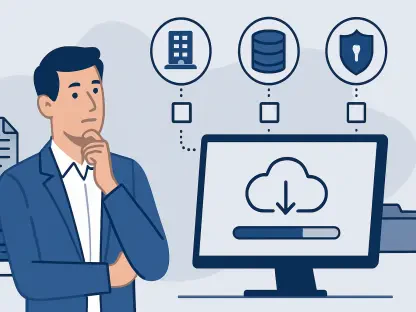
The era of storing sensitive medical files on local, physical hardware is coming to an end in favor of secure cloud architectures. Custom cloud platforms enable healthcare providers to access synchronized patient records instantly from any facility within a network, ensuring continuity of care and eliminating the data silos associated with legacy on-site servers. A significant advantage of this migration is operational resilience; these platforms are built with automated background backups that protect critical information against hardware failures or localized disasters. By building scalable environments, clinical organizations ensure that data remains accessible to authorized personnel while staying protected by the latest encryption standards. This accessibility allows specialists in different cities to collaborate on complex cases without the delays of physical record transfers, creating a truly unified medical network. The transition to cloud computing has allowed hospitals to reduce their on-site IT footprint while simultaneously increasing their data processing power.
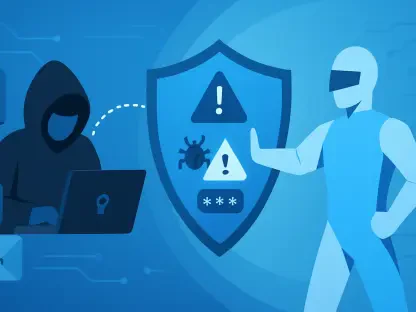
As data breaches become more sophisticated, the medical industry is turning to blockchain technology to secure electronic health records and pharmaceutical supply chains. The decentralized nature of blockchain creates an unalterable, cryptographic log of every time a record is accessed or modified, ensuring that sensitive data remains tamper-proof. In practice, this technology empowers patients by using smart contracts to verify consent before their medical charts are shared with outside specialists. Furthermore, blockchain is being utilized to track the integrity of the medical supply chain, tracing pharmaceuticals from the factory floor to the pharmacy shelf to address the industry’s most pressing privacy and security concerns. This transparent ledger prevents the distribution of counterfeit medications and ensures that the history of every drug is verifiable. By integrating blockchain into custom health software, developers have created a layer of trust that was previously impossible to achieve, making patient data both more private and more secure.
Patient Connectivity: The Internet of Medical Things and Telehealth
The integration of hardware and software has reached a new level through the Internet of Medical Things, utilizing connected devices like smart heart monitors and wearable trackers. Custom software platforms are essential for aggregating this continuous stream of vital metrics safely and translating them into actionable insights for clinicians. The value of this ecosystem lies in its proactive nature, as automated alerts can trigger immediate notifications for medical staff when abnormal heart rhythms or blood sugar spikes are detected. This removes the burden of manual record-keeping from the patient and provides doctors with a comprehensive view of health between office visits. Continuous monitoring has proven especially effective for post-operative recovery, where early detection of complications can prevent re-hospitalization. These connected devices form a safety net that follows the patient home, ensuring that the transition from clinical care to independent living is managed with the highest level of professional oversight.
Following the rapid expansion of telehealth, there is a specialized demand for remote patient monitoring platforms that go beyond simple video calls. These systems interface directly with home diagnostic kits to track blood pressure, oxygen levels, and other vital signs on a daily basis. This trend fosters a continuous feedback loop between the patient’s home and the clinic, allowing smart algorithms to prompt immediate nurse check-ins when vital metrics drop below established thresholds. For patients managing chronic diseases, remote monitoring offers a sense of autonomy and control, ensuring that their symptoms are managed effectively without the need for constant physical presence in a hospital setting. This shift has not only improved the patient experience but has also optimized the use of hospital resources by keeping beds available for acute cases. The sophistication of modern remote platforms ensures that the quality of care received at home is nearly indistinguishable from that provided during a routine in-person visit.
Operational Resilience: Interoperability and Modular Design
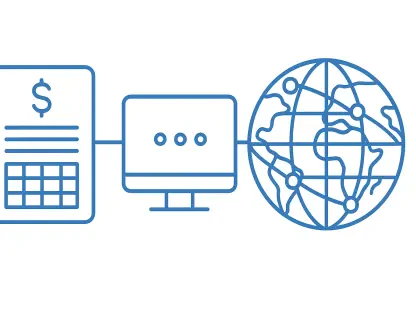
One of the greatest hurdles in health tech is the inability of legacy databases to communicate with modern applications, a challenge now addressed by custom API development. These interfaces create bridges based on universal standards, allowing disparate networks, such as a laboratory’s software and a hospital’s patient portal, to exchange information without manual file conversion. When a patient moves between different specialists or departments, their medical history follows them seamlessly, reducing diagnostic errors caused by missing information. This interoperability is vital for eliminating the cost and inconvenience of duplicate laboratory tests, ensuring that data is mobile and truly useful across the entire care continuum. By creating a unified data language, custom APIs allow for the rapid integration of new specialized software tools, ensuring that the overall digital infrastructure can evolve without requiring a complete system overhaul. This connectivity is the foundation of a coordinated medical ecosystem.
The architecture of healthcare software is shifting from monolithic codebases toward modular microservices, which break a platform into smaller, independent components that function together. The benefits of microservices are primarily related to agility and uptime, as developers can update specific features, such as an appointment scheduling tool, without taking the entire patient portal offline. This allows hospital networks to scale their server power during peak times and integrate new diagnostic tools quickly as medical protocols evolve. This modularity ensures that software remains flexible enough to adapt to the fast-changing healthcare environment without disrupting essential services. Furthermore, a focus on caregiver user experience has become a clinical necessity. In high-pressure environments, every second spent navigating a confusing menu is a second taken away from a patient, making simple design essential. Modern custom development prioritizes user-centered designs shaped by direct feedback from doctors to support the natural workflow.
Strategic Evolution: The Path Toward Integrated Care
The evolution of health technology reached a pivotal moment where the reliance on fragmented legacy systems became untenable for modern care delivery. Stakeholders recognized that the path forward required a radical commitment to architectural flexibility and data security. Organizations that prioritized custom software development over generic alternatives successfully navigated the complexities of regulatory compliance while maintaining a high standard of patient safety. This transition demonstrated that the most effective digital tools were those built with a deep understanding of the clinical environment and the specific challenges faced by frontline workers. The industry moved toward a philosophy of continuous improvement, where software updates were no longer seen as disruptive events but as essential upgrades to the quality of care. By embracing modular designs and secure data protocols, the medical community established a foundation that could support rapid innovation without compromising the integrity of information.
Decision-makers determined that the most successful implementations involved a collaborative approach between software architects and medical professionals to ensure that technology served the user. The integration of advanced diagnostics and remote monitoring systems proved that healthcare could extend beyond the hospital walls, creating a persistent connection between doctors and patients. This shift prompted a reevaluation of how medical staff were trained, emphasizing the importance of digital literacy in the modern clinical landscape. Looking ahead, the focus remained on refining these interconnected ecosystems to be even more intuitive and resilient. The industry learned that investing in user-centered design and robust interoperability was not merely an administrative expense but a strategic necessity for long-term viability. As these systems matured, they provided the scalability needed to handle shifting demographic needs. The commitment to custom innovation solidified its role as the primary driver of medical progress.