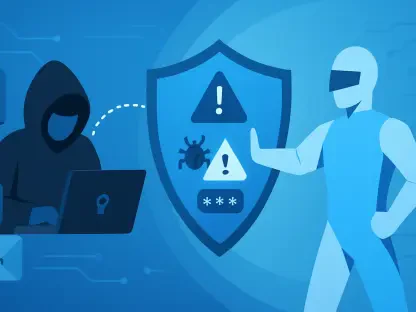

Cybercriminals are increasingly moving away from traditional hacking methods in favor of exploiting the bridge between mobile apps and backend servers. The recent catastrophic breach at 3PROTV serves as a stark reminder that the application programming interface, or API, is now the primary battleground for digital sovereignty. As users demanded more seamless experiences across their devices, 3PROTV prioritized rapid feature deployment over robust security protocols, leading to an unprotected gateway that leaked sensitive subscriber information to unauthorized actors. This event illustrated a fundamental disconnect in modern software development where the front-end user interface is polished while the underlying data conduits remain dangerously exposed to basic enumeration techniques. The sheer volume of compromised accounts suggests that the attackers leveraged weaknesses that have been known for years, yet continue to plague even the most prominent streaming services. This situation forced a massive re-evaluation of how data flows are managed and verified in a world that is now entirely dependent on interconnected cloud services.
The Mechanics of Compromise: Broken Authorization and Exposed Keys
Deep analysis of the 3PROTV incident revealed that the core of the failure rested on Broken Object Level Authorization, a vulnerability that essentially allowed any authenticated user to access the records of another by simply guessing or iterating through numeric identifiers. While the mobile application appeared secure on the surface, the backend API lacked the necessary logic to verify whether the person requesting a specific data packet actually possessed the rights to view it. This oversight is often the result of developers assuming that the mobile client is the only entity that will ever interact with the server, ignoring the reality that hackers can easily intercept and replay traffic using proxy tools. Furthermore, investigators found that the security tokens used for session management were improperly scoped, granting broad administrative privileges to standard user accounts. By manipulating these tokens, adversaries moved laterally through the database, harvesting everything from email addresses to encrypted payment details without triggering a single internal security alarm.
Compounding the technical flaws was the discovery of sensitive API keys hardcoded directly into the public versions of the 3PROTV mobile software. This practice, while convenient for developers during the testing phase, provided a literal roadmap for attackers once the application was released to the general public. Sophisticated threat actors utilized automated scripts to decompile the app and extract these credentials, which they then used to bypass secondary authentication layers designed to protect the most sensitive parts of the infrastructure. The absence of a robust API gateway meant there was no centralized point to enforce rate limiting or inspect the payload of incoming requests for malicious patterns. Consequently, the attackers were able to perform millions of requests per hour, effectively scraping the entire user database over a single weekend. This lack of visibility into API traffic patterns highlights a systemic failure to treat these interfaces as critical infrastructure that requires the same level of monitoring as traditional network firewalls or server clusters.
Strategic Remediation: Building Resilient API Architectures
As we progress from 2026 to 2028, the technological landscape is becoming increasingly defined by the sprawl of microservices and the total reliance on third-party integrations. This architectural shift has expanded the attack surface far beyond the traditional perimeter, making it difficult for organizations to maintain a comprehensive inventory of all active endpoints. The 3PROTV breach occurred precisely because an older, legacy API had been left running alongside the new production environment, creating a shadow gateway that security teams had long since forgotten. These forgotten endpoints often run on outdated codebases with unpatched vulnerabilities, providing an easy entry point for criminals who specialize in finding the weakest link in a complex digital ecosystem. Industry data suggests that nearly half of all security incidents now involve some form of API abuse, as attackers realize that these interfaces offer a direct path to the data layer without the need to bypass complex end-point protections.
The lessons learned from the 3PROTV incident emphasized the necessity of moving beyond static security models toward a more dynamic and observable infrastructure. It was determined that the most successful organizations were those that treated their APIs as first-class citizens in their security strategy, investing in automated discovery tools to eliminate shadow endpoints and unmanaged gateways. Forward-thinking leaders prioritized the implementation of strict schema validation to ensure that only expected data formats reached the backend, effectively neutralizing many common injection attacks. Furthermore, security professionals recognized the value of shifting security checks to the left, incorporating API testing into the initial coding phases to catch authorization errors before they reached production environments. By adopting these actionable steps, the industry began to close the gap between rapid innovation and data protection. The focus moved toward a comprehensive understanding of the entire data journey, ensuring that every bridge between the user and the server remained fortified.