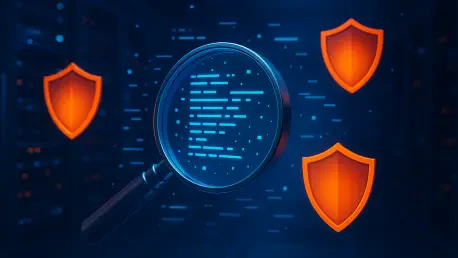

The integration of multiple AI models alongside Jetpack Scan enables real-time analysis of code changes to assign a security risk score to every new plugin release. This transition represents a fundamental shift in how the digital ecosystem protects millions of websites from the escalating threat of supply-chain attacks. Historically, the repository relied heavily on a manual review conducted only during initial submissions, leaving a significant gap in oversight for subsequent updates. By 2026, the volume of code pushed to the directory necessitated a more scalable approach. Modern security architecture now utilizes advanced machine learning algorithms to examine every diff, ensuring vulnerabilities are caught before they are exploited. This system acts as a digital guardian, scrutinizing logic flaws with precision that human reviewers cannot match. This automation creates a proactive defense that evolves as rapidly as the sophisticated threats it aims to stop.
Monitoring Systems: The Core Engine
Code Analysis: Real-Time Scoring
The core of the new defensive strategy lies in its ability to synthesize data from various detection engines to provide a comprehensive security profile for every update. Rather than looking for simple keyword matches, the AI models analyze the semantic structure of the code to identify dangerous patterns like remote code execution paths and credential harvesting. This layered analysis is crucial because attackers often disguise malicious intent within seemingly innocuous updates or through subtle regressions in code quality. By cross-referencing results between multiple specialized scanners, the system can reduce false positives while maintaining a high sensitivity to actual threats. If a new version of a tool suddenly introduces a suspicious network call or an obfuscated string, the security risk score spikes immediately. This objective evaluation ensures that every line of code is treated with skepticism, regardless of the developer history or existing reputation.
Safety Windows: The Cooldown Phase
Central to this automated workflow is the mandatory six-hour cooldown period imposed on every plugin release before it becomes available to the general public. During this critical window, the automated tools execute deep scans and behavioral simulations to verify that the update does not violate established security protocols. If the risk score exceeds the permissible threshold, the update API programmatically halts the distribution, effectively preventing the code from appearing in the one-click update dashboards of millions of site administrators. This mechanism addresses the historical bottleneck where high-risk releases could only be stopped if a human reviewer intervened in time. The process makes no distinction between intentional sabotage and accidental coding errors; both are viewed as critical risks. Consequently, the cooldown period serves as a necessary safety valve that protects the downstream supply chain from the catastrophic consequences of compromised accounts.
Industry Results: Impact and Trends
Incident Logs: Neutralizing Threats
The practical benefits of this sophisticated automation were recently underscored during a security incident involving a plugin with over 20,000 active installations. A malicious actor managed to inject a backdoor into a scheduled update, intending to gain unauthorized access to thousands of hosting environments simultaneously. However, the AI-driven monitoring system flagged the update within the cooldown phase, triggering an immediate alert to the security team. Because the distribution was already paused by the API, the threat was neutralized before a single website could download the infected version. In a remarkable display of coordination, the offending plugin was removed from the repository just 26 minutes after the initial notification from external researchers. This rapid response cycle proves that the integration of automated intelligence provides a level of protection previously unattainable. It highlights how the platform minimized the window of opportunity.
Author Steps: Future Improvements
Plugin authors who faced blocked updates were encouraged to view these automated findings as a tool for technical improvement rather than a punitive measure. The system functioned by sending detailed reports directly to the developers, outlining the specific security regressions or suspicious patterns that led to the high risk score. To maintain operational continuity, the recommended next step for creators involved resolving these technical issues immediately and pushing a clean revision for a secondary review. While a formal appeal process remained available, the fastest resolution was almost always found in addressing the specific code flaws identified by the AI. This shift established a new baseline for developer hygiene, where security checks became an intrinsic part of the deployment lifecycle. By 2026, the community began to internalize these standards, recognizing that the health of the ecosystem depended on this automated scrutiny to ensure a verified level of security.