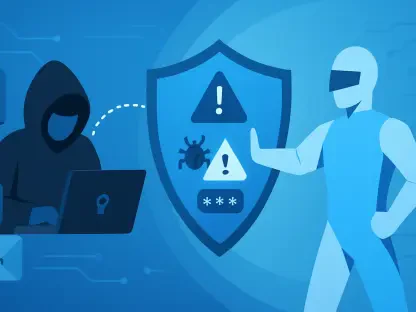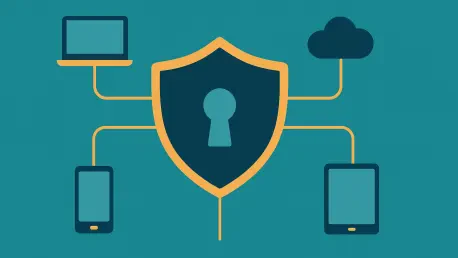

The transition to interaction-centric security ensures that every request is treated as unique, moving away from the assumption that internal traffic is inherently trustworthy. This fundamental evolution in corporate strategy marks the definitive end of the castle and moat philosophy that dominated the IT landscape for years. In the current 2026 operational climate, the hard perimeter has been replaced by a fluid environment where employees alternate between offices, homes, and coworking spaces. This shift necessitates a security model that is no longer tied to a physical location or a static network segment. Organizations have found that relying on outdated boundary defenses creates dangerous inconsistencies in protection, leaving remote users more vulnerable than those on-site. By adopting a Secure Access Service Edge framework, enterprises can finally unify these fragmented connections into a cohesive, identity-based security layer that travels with the user, regardless of their network origin.
Addressing the Weaknesses of Legacy Infrastructure
The Limitations of Traditional VPNs: Broad Access Risks
Traditional network architectures were built on the premise that users would remain stationary while accessing applications housed within private data centers. However, this legacy approach has become a significant liability in a cloud-dominant landscape where traffic patterns are increasingly externalized. Many organizations still rely on Virtual Private Networks to bridge the gap for remote staff, but these tools often introduce more problems than they solve. A primary issue is that conventional VPNs typically grant broad, network-level access once a user is authenticated, essentially opening the gates to the entire internal infrastructure. This lack of granularity means that a single compromised device or stolen set of credentials can serve as a gateway for malicious actors to explore sensitive segments of the corporate network. In 2026, where the volume of sophisticated phishing attacks continues to rise, providing such unfettered access is no longer a viable risk.
Beyond the immediate threat of unauthorized entry, the architectural limitations of legacy systems facilitate the dangerous phenomenon known as lateral movement. Once an attacker gains a foothold via a standard VPN connection, they can often navigate between different servers and databases with minimal resistance because the system assumes the connection is legitimate. This all-or-nothing security posture fails to account for the reality that a device may be compromised even if the user identity is verified. Modern hybrid workforces frequently utilize a mix of managed and unmanaged devices, further complicating the trust equation and making it difficult to maintain a consistent defense posture. To mitigate these risks, security professionals are shifting toward more restrictive models that scrutinize every single interaction. By abandoning the broad-access approach of the past, companies can minimize their internal exposure and ensure that a breach in one area does not lead to a total compromise of the digital ecosystem.
Performance Challenges: The Latency of Traffic Backhauling
In addition to security vulnerabilities, traditional network models are plagued by significant performance bottlenecks that hinder the productivity of a distributed workforce. The most notable of these is backhauling, a process where all remote traffic must be routed back to a central headquarters or data center for security inspection before it can reach its final destination in the cloud. This hair-pinning effect creates unnecessary latency, as data must travel long distances and pass through multiple hardware appliances that were never designed to handle the massive traffic volumes of 2026. As employees increasingly depend on high-bandwidth applications like real-time video conferencing and complex cloud-based collaboration suites, any delay in data transmission becomes a major frustration. This performance gap often leads workers to bypass corporate security measures entirely, opting for direct-to-internet connections that leave them exposed to various web-based threats and malware.
SASE addresses these performance issues by decentralizing the security stack and moving it to the cloud edge. By utilizing a global network of distributed points of presence, SASE platforms can perform rigorous traffic inspection much closer to the physical location of the user. This transition from a location-centric model to an interaction-centric one ensures that security protocols do not come at the expense of user experience or system speed. Instead of forcing data through a single congested hub, traffic is filtered and secured at the nearest cloud gateway, providing a direct and efficient path to SaaS applications and web resources. This optimized routing not only improves the overall responsiveness of digital tools but also ensures that the same level of enterprise-grade protection is applied whether an employee is working from a metropolitan office or a remote setting. In 2026, this ability to deliver high-performance security at scale has become a key differentiator for organizations.
The Architectural Core of SASE Implementation
Integrated Technologies: Converging Network and Security
The true innovation of a SASE architecture lies in its ability to converge previously disparate networking and security functions into a single, cloud-native service. Historically, IT departments had to manage a complex array of standalone products, including firewalls, web gateways, and wide area network optimizers, each with its own management console and set of policies. This fragmented approach often led to siloed security, where different parts of the network were protected by different rules, creating gaps that attackers could exploit. By integrating technologies such as Software-Defined Wide Area Networking and Firewall as a Service, SASE creates a unified security fabric that is much easier to manage and scale. This convergence allows organizations to move away from expensive, hardware-dependent solutions and adopt a more agile, software-driven approach that can adapt to the changing needs of the business. In the current landscape, this flexibility is essential for supporting a workforce that is constantly in motion.
Maintaining visibility across a modern enterprise is another significant advantage of the converged SASE model. When security functions are integrated, administrators gain a single pane of glass view into all traffic patterns, regardless of where the users or applications are located. This holistic perspective is crucial for identifying emerging threats and ensuring that corporate policies are being applied consistently across the entire organization. For example, Cloud Access Security Brokers can be seamlessly combined with Secure Web Gateways to monitor how sensitive data is being shared within third-party cloud applications. This level of integration prevents the blind spots that typically occur when data moves between different security products. By consolidating these tools into a single platform, enterprises can reduce the complexity of their security operations and improve their ability to respond to incidents in real time. Ultimately, the convergence of network and security through SASE provides a more robust defense against the diverse threats.
Context-Aware Intelligence: The Power of Identity and Device Health
A fundamental shift in the 2026 security landscape is the move toward context-aware intelligence, which forms the backbone of the SASE decision logic. Rather than relying on static indicators like an IP address, SASE platforms evaluate a wide range of dynamic factors before granting access to any resource. This process begins with a rigorous verification of the user identity, but it goes much further by analyzing the health and posture of the device being used, the geographic location of the request, and the specific sensitivity of the data being accessed. If a login attempt occurs from an unrecognized location or a device that lacks the latest security updates, the SASE system can automatically trigger additional authentication requirements or block the session entirely. This high degree of contextual awareness ensures that access is never granted based on a blind assumption of trust. By constantly reassessing these variables throughout a session, organizations can maintain security even as conditions of the connection change.
This sophisticated decision-making process is the primary driver behind Zero Trust Network Access, a core component of the SASE framework that replaces traditional broad-access tunnels. In a ZTNA model, users are granted application-level access rather than full network entry, ensuring that they can only reach the specific tools required for their job functions. These permissions are often temporary and subject to continuous re-evaluation, which significantly limits the potential blast radius of any security incident. For instance, an employee in the marketing department would have no reason to access the servers used by the finance team, and the ZTNA protocols would ensure that those resources remain invisible to them. This granular approach to access control is particularly effective in hybrid environments where employees may be using a variety of devices and connections. By implementing a policy of least privilege, SASE helps organizations build a more resilient security posture that can withstand the challenges of a distributed workforce in the modern age.
The Strategic Path Toward Security Coherence
The move toward a hybrid work environment proved to be a permanent structural shift that required a complete rethinking of corporate security. Organizations that successfully transitioned to a SASE architecture found that it provided the necessary coherence to manage a decentralized workforce without sacrificing performance or safety. By moving away from legacy hardware and broad-access VPNs, these enterprises established a more resilient defense that prioritized identity and context over physical location. To build on this progress, leaders should have focused on a continuous evaluation of their security policies, ensuring they remained aligned with evolving threat patterns. Future considerations involved the integration of automated threat response systems and more advanced machine learning tools to further refine access decisions in real time. The ultimate lesson was that security must have been treated as an ongoing conversation between technology and the user. By following this path, businesses ensured that their hybrid operations were not just a temporary adjustment but a secure and scalable foundation.