

The transition from human-centric digital interfaces to autonomous agentic workflows has rendered traditional perimeter security models essentially obsolete within the modern enterprise stack. As organizations move beyond simple chat interfaces toward complex agentic orchestration, the sheer volume

The UK government has integrated passkey technology into its official portal to secure access for more than 23 million citizens. This strategic implementation within the GOV.UK One Login framework marks a significant evolution in how residents interact with essential state services in 2026. By

Model abstraction layers allow organizations to decouple their software applications from specific providers while ensuring that developers only utilize approved and secure endpoints. This strategic necessity has emerged as businesses move from experimental pilots toward production-grade artificial
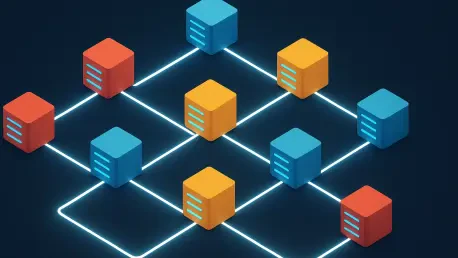
The unbundling of the cloud marketplace, payment systems, and physical hardware allows for a level of efficiency that integrated corporate models cannot easily match. As of 2026, the digital landscape remains heavily influenced by a trio of hyperscalers—Amazon Web Services, Microsoft Azure, and

The transition to interaction-centric security ensures that every request is treated as unique, moving away from the assumption that internal traffic is inherently trustworthy. This fundamental evolution in corporate strategy marks the definitive end of the castle and moat philosophy that dominated
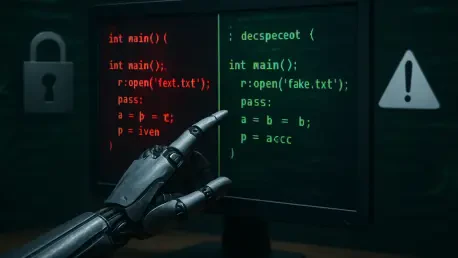
Despite the promise of automation, current AI lacks the sophisticated context-awareness required to reliably replace human judgment in the security review process. The release of the AWS Deception Benchmark marks a significant evolution in the evaluation of artificial intelligence within the