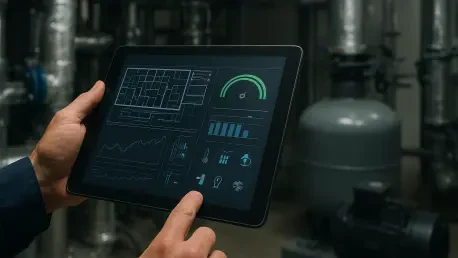
Operational technology requires a distinct security philosophy because its failure results in physical consequences that traditional IT systems do not encounter. When a standard cloud application suffers a breach, the immediate concern is data exfiltration or privacy violations, but when the

Critical remote-code-execution entries in the September bulletin represent the highest severity tier due to their ability to bypass standard security boundaries. Google has recently issued a massive update for the Android ecosystem, addressing 180 vulnerabilities that vary in scope and potential

Existing consumer network security products focus on device traffic monitoring rather than the high-level decision-making processes of autonomous AI agents. As smart home ecosystems evolve from simple voice-activated switches to complex agentic systems capable of autonomous scheduling and financial
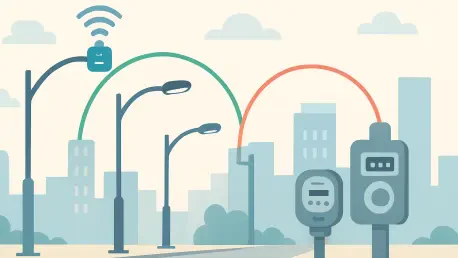
The purchase-first mentality prevalent in local government procurement often results in the onboarding of insecure equipment that lacks necessary protections. As modern cities transition into hyper-connected hubs, the rapid deployment of smart utility meters, automated traffic signals, and advanced

Improper token-scope validation allows authenticated users with limited permissions to elevate their status to that of a full administrator within the platform. This critical vulnerability serves as a stark reminder of the fragile nature of modern DevOps pipelines, where artifact repositories like
Consistent storage and orchestration across different departments are essential for strengthening recovery confidence in a distributed IT environment. In the current digital landscape, the concept of cyber resilience has transitioned from a specialized technical requirement to a foundational